


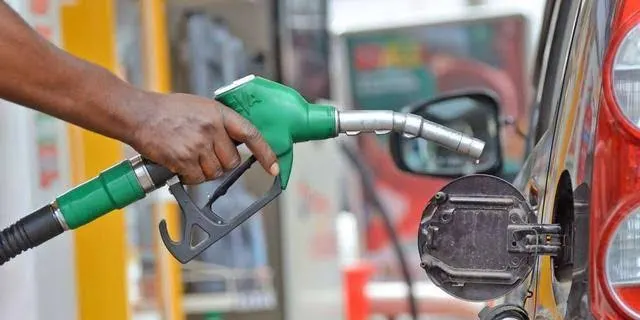
The Dangote Refinery has attributed the continued high cost of petrol in Nigeria to global market forces and supply chain challenges, despite the country’s local refining capacity.
The refinery’s management said expectations that domestic production would lead to lower fuel prices have been limited by external pressures, including geopolitical tensions in the Middle East, a major crude oil-producing region.
Speaking on Arise Television, the Managing Director, David Bird, explained that the refinery operates within the realities of the global oil market.
“On fuel pricing, the refinery is fully exposed to global market forces and operates without subsidies, making it vulnerable to fluctuations driven by geopolitical tensions. We try and maintain some stability within a commercially acceptable range, but all our cost inputs—from crude to freight and insurance are impacted,” he said.
“Every element of our cost from crude oil to freight and insurance is affected by global conditions,” he said. “We try to maintain some stability within a commercially acceptable range, but it’s a constant challenge.”
READ ALSO: Nigeria Can Grow Oil Production By 100,000/bpd Over Next Few Months — Ojulari
Although global crude oil prices have recorded some decline in recent weeks, petrol prices in Nigeria remain around N1,300 per litre, following nearly 20 per cent increases driven by earlier spikes in international oil prices.
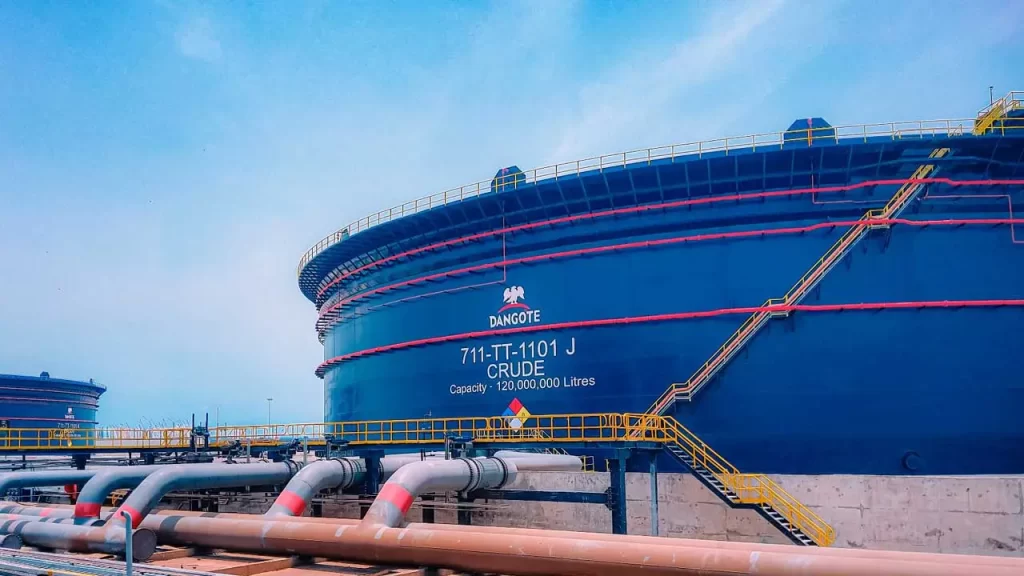
Bird described the situation as part of a wider economic challenge affecting households.
“This is a cost-of-living crisis; every facet of the modern economy is impacted by energy,” he said.
He added that even if ongoing global conflicts were resolved immediately, supply chain disruptions would persist for some time.
Looking ahead, Bird urged the government to take a broader approach in addressing the cost drivers within the sector.
“I think there’s an opportunity for the government to take an all-encompassing view, not just crude price, but the cost of doing business in Nigeria,” he said.
He also stressed the need for strategic planning to cushion future shocks.
“Government and industry must think the unthinkable; COVID should have woken us up about the vulnerability of global supply chains,” he noted.
The refinery boss further expressed concern over Nigeria’s crude oil allocation system, stating that the facility is often under-supplied and unable to secure its preferred crude grades locally.
“Nigeria has a wide variety of crude grades, all exported from different terminals and we have a preference.
Our hardware is designed around a certain crude slate, and we can certainly optimise the different crude grades from Nigeria. So, we submit our preferences. And not only do we not get the full allocation, very often we don’t get the grades that we are highlighting as our preferences.
“So, our request is, can we get more and can we be transparent on the allocation methodology? Because then that allocates about 30% of our crude diet under the Crude for Naira program.
However, given our preference for Nigerian grades, we go back into the international market and we find those very same grades that we have preference that were denied to us, now being offered on the international market in US dollars.
And so, we do purchase those. And right now, there’s obviously a global thirst for crude, no matter where it comes from. So that has meant there’s a significant premium being attached to Nigerian crude grades.
“As of now, we’re paying over $18 a barrel premium for those same Nigerian crude grades. So, 30, 35% under Crude for Naira, we get allocated with no discount, no subsidy. It is international benchmark pricing. Then, we have to pay international benchmark freight rates. And freight has also been severely impacted and gone up, insurance rates, et cetera.”

