

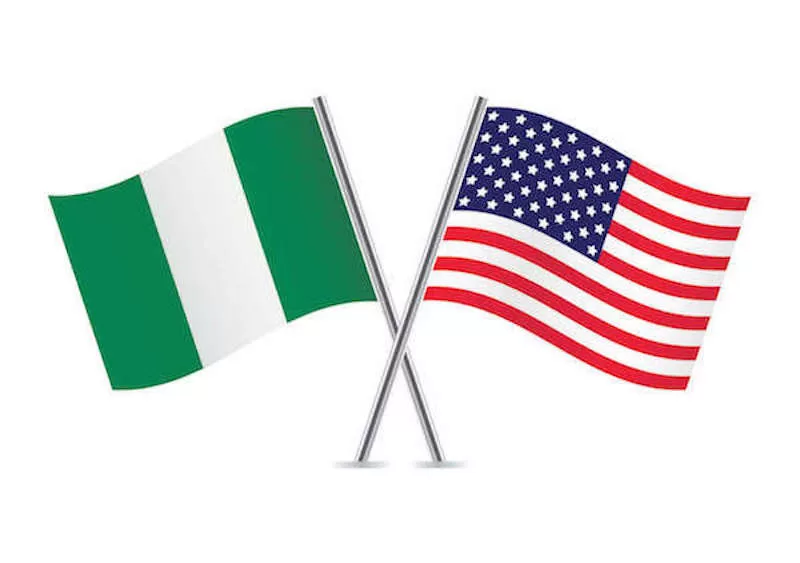
The Federal Government is critically analysing the impact of the new US tariff on Nigeria’s economy, the spokesperson of the Ministry of Foreign Affairs, Kimiebi Imomotimi Ebienfa has said.
This is in response to the recent 14 percent tariff imposed on all products imported from Nigeria.
Other countries like China, Canada, the EU among others have responded to Donald Trump’s recent universal 10-percent “minimum baseline tariff” to be imposed on all imports — which will take effect on April 5 and the “individualised reciprocal higher tariff” on the countries and regions which the United States “has the largest trade deficits” will take effect on April 9, according to a White House document.
Ebienfa said the government will eventually respond appropriately in the best interest of the country.
He said: “Countries impose tariffs (which are generally taxes on imported goods) for several economic, political, and strategic reasons. This includes the protection of domestic industries and promotion of job creation; increase government revenue; retaliation against unfair trade practices; correcting trade imbalances etc. Relevant stakeholders are studying the situation.
“Be rest assured that the government will critically analyse the impact of the new tariffs on the nation’s economy and respond appropriately in the interest of the country.”
Minister of Foreign Affairs, Yusuf Tuggar last Friday was said to have engaged the US Deputy Secretary of State, Christopher Landau virtually.
A statement by the media aide to the Minister, Alkasim Abdulkadir was silent on the new tariffs issue as he listed areas of discussion.
READ ALSO: Supreme Court sacks Abure as Labour Party chairman
Abdulkadir said they stressed the importance of strengthening commercial ties, enhancing security collaboration, and deepening diplomatic engagements.
He also quoted Landau of reiterating his country’s commitment to a strong and enduring partnership with Nigeria.
Meanwhile, a statement released on Sunday, the Minister of Industry, Trade and Investment, Dr. Jumoke Oduwole, warned that the move could significantly impact both oil and non-oil trade flows to one of Nigeria’s key markets.
“Nigeria’s exports to the United States over the past two years have consistently ranged between $5 billion and $6 billion annually,” she noted.
“Over 90% of these exports comprise crude petroleum, mineral fuels, oils, and gas-related products. Fertilisers and urea make up the second-largest export category, accounting for approximately 2–3%, while lead exports contribute around 1%—about $82 million in value.”
The minister added that smaller volumes of agricultural exports—including live plants, flour, and nuts—represent less than two percent of Nigeria’s total exports to the U.S.
She warned that non-oil products, many of which previously benefited from exemptions under the African Growth and Opportunity Act (AGOA), may now be adversely affected. The new 10% tariff on certain product categories could diminish Nigeria’s price competitiveness and restrict access to the U.S. market, especially for value-added and emerging sectors critical to Nigeria’s economic diversification.
“Small and medium-sized enterprises that built their business models around AGOA exemptions will now face increased costs and unpredictable buyer demand,” Oduwole stated.
She stressed that this challenge reinforces Nigeria’s commitment to boosting non-oil exports by improving quality assurance, control mechanisms, and traceability systems to align with global standards—ultimately enhancing the global acceptance of Nigerian products.