
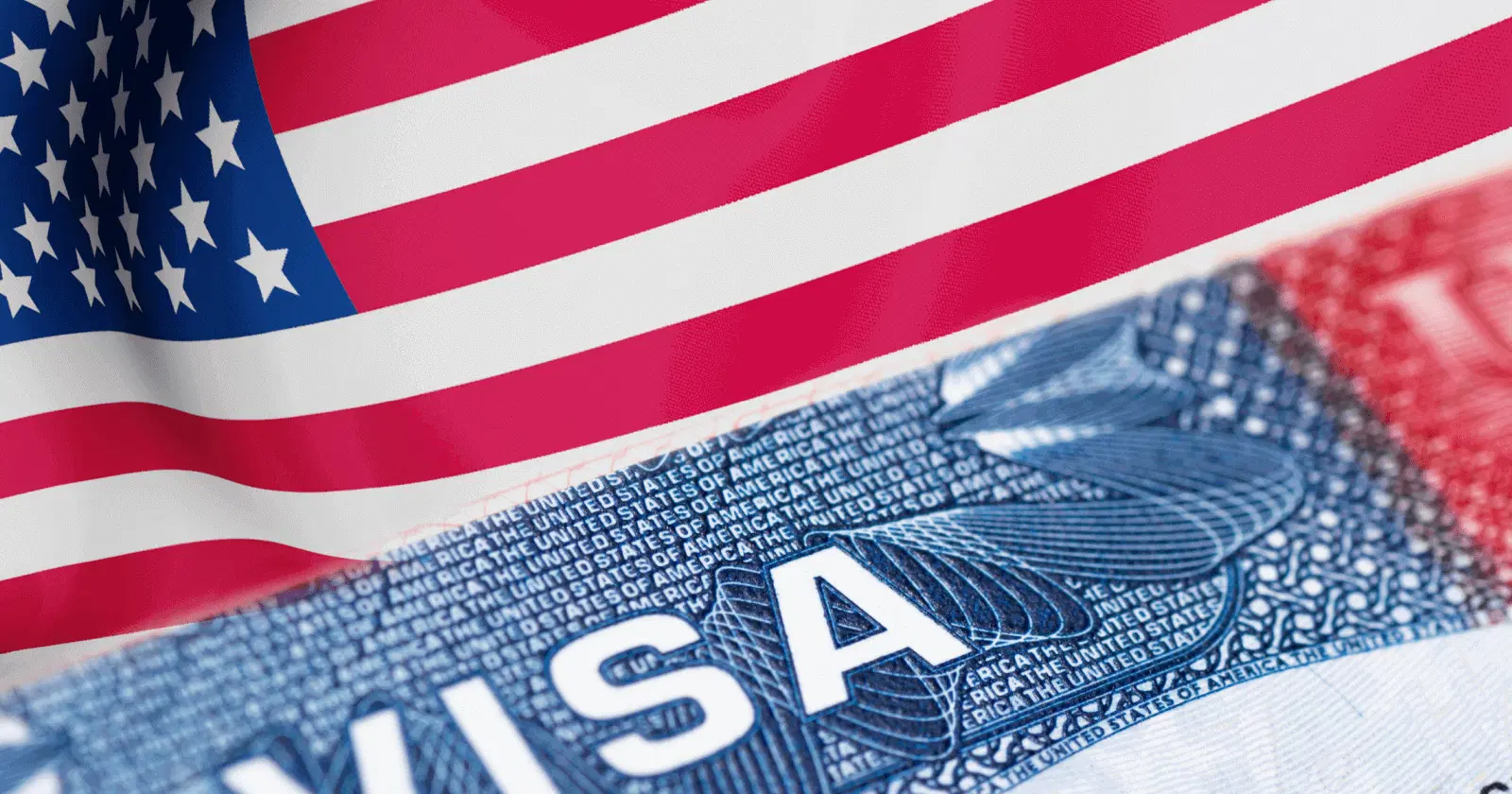
The United States has started postponing a large number of H-1B and H-4 visa interviews as embassies and consulates prepare to introduce new online screening procedures.
The transition has led to widespread cancellations and has pushed many applicants’ interviews as far as spring 2026.
The sudden shift has caused fresh concern among workers and families who depend on these visas to travel, resume their jobs, or start new employment in the U.S.
Early in December, applicants began noticing that interview dates set for mid- and late-month were disappearing from the online system. Immigration firm Fragomen later confirmed that it had received multiple reports of last-minute rescheduling, with many applicants being moved to dates in March. U.S. consulates in India where most H-1B and H-4 applications are processed emailed applicants explaining that the delays were linked to new government-required background checks launching on December 15.
Under these updated rules, consular officers will now examine the public social-media profiles of all H-1B holders and their dependents. Applicants must grant access to these accounts during the review process, which officials say will lengthen the time needed for each case.
READ ALSO: Trump claims birthright citizenship was created only for children of slaves, not the rich.
Because of this, consulates expect a temporary but notable drop in the number of interviews they can handle daily. To avoid long queues, operational delays, and overcrowding, many December appointments are being cancelled altogether, with new dates spread out over the coming months.
Biometric appointments where photos and fingerprints are taken will still proceed as scheduled. However, the actual in-person interview that determines visa approval may now take place several months after biometrics.
These new procedures arrive at a time when the H-1B program is undergoing broader changes. Earlier this year, the U.S. introduced modernization measures aimed at reducing misuse of the system and ensuring the visa remains focused on “specialty occupations.” These updates tightened rules around degree relevance, added new compliance duties for employers, and restricted the types of roles that qualify.
In September, federal officials also announced a one-time $100,000 fee for all new H-1B petitions excluding those filed for continued employment. The decision has raised concern among companies that rely on H-1B workers, especially in India’s tech industry, which frequently deploys skilled employees to the United States.
Critics argue the fee could discourage hiring, while supporters believe it will curb abuse and help fund U.S. workforce programs.
For both employers and workers, the overlapping rule changes and the latest interview delays have created an increasingly complicated environment. Applicants now face longer wait times and deeper scrutiny, while businesses say the uncertainty disrupts staffing and project planning.
U.S. officials have not provided a timeline for when interview operations will return to normal, leaving many applicants unsure of what to expect next.