
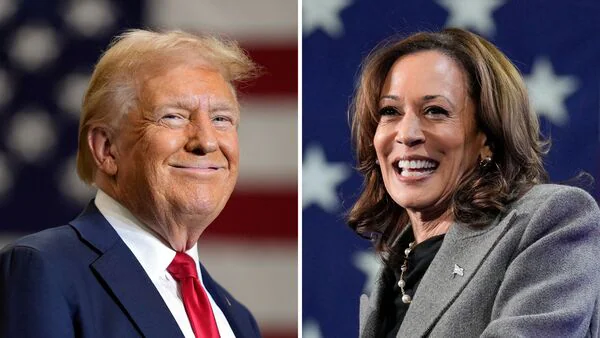
President Donald Trump has officially ordered the withdrawal of Secret Service protection for Vice President Kamala Harris.
The decision, which was confirmed by senior administration sources late Friday evening, has sent shockwaves through Washington and sparked immediate backlash from lawmakers and security officials across the political spectrum.
The extension was approved by then-president Joe Biden for Harris, the defeated Democratic presidential candidate whose customary six-month period of protection as ex-VP ended July 21, CNN reported.
The White House has yet to release an official statement detailing the rationale behind the decision. However, reports suggest the directive was issued unilaterally by President Trump, who has resumed office following the results of the highly contested 2024 election.
Vice President Harris, who has continued to serve in her role pending legal challenges and disputes over electoral certification, was reportedly informed of the move earlier today. According to close aides, she was “blindsided” by the decision and Her team is now working urgently to make alternative arrangements.”
READ ALSO: US to limit visa duration for students, journalists
A senior Harris aide told AFP that Harris was however “grateful to the United States Secret Service for their professionalism, dedication, and unwavering commitment to safety.”
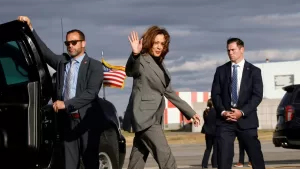
While she has kept a low profile since losing the election, Harris is scheduled to go on tour this fall to promote a book she has written on her failed presidential bid. This travel will force her to appear often in public.
Harris’s inside look at her short presidential run against Trump is titled “107 Days.”
The memoir, published by Simon & Schuster, will be released on September 23 in the United States.
The first woman to serve as vice president of the United States, Harris became the Democratic nominee after Biden withdrew from the race amid concerns about his cognitive health.
Traditionally, former vice presidents are entitled to Secret Service protection for a period after leaving office, often extended based on ongoing threats, public profile, or specific requests. Harris, who served as vice president from 2021 to 2025, had continued receiving protection following the contested 2024 election and amid heightened political tensions.
Critics argue that the decision endangers a high-profile former official who continues to face credible threats due to her historic role and public visibility.
“This is a reckless and vindictive act,” said Senator Cory Booker (D-NJ). “The former vice president’s safety should not be subject to political gamesmanship.”
House Speaker Mike Johnson (R-LA), while typically aligned with the administration, also expressed unease, stating, “While there may be internal considerations, the security of any former top official—particularly one who has received threats in the past—should be handled with the utmost care.”
Legal analysts are questioning the legality and precedent of the decision. “Former vice presidents are typically entitled to six months of protection at a minimum,” said Mary McCord, a former acting assistant attorney general for national security. “To abruptly end that protection without a clear, public justification is alarming and may violate federal norms, if not outright policy.”