
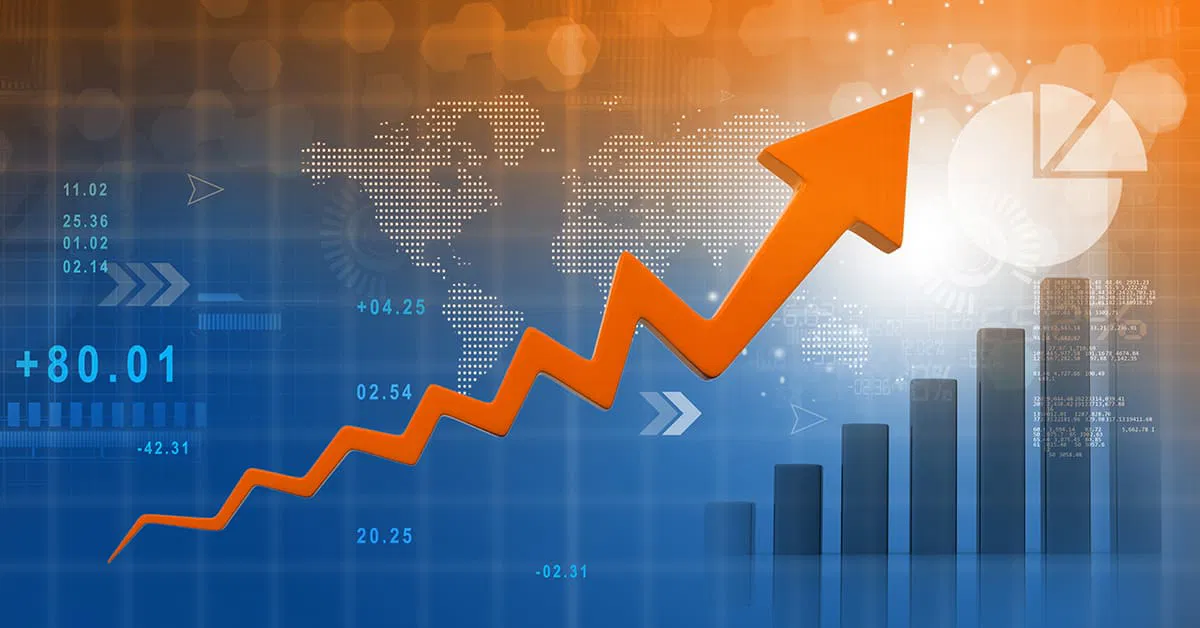
As 2025 unfolds, the global economy is undergoing a fascinating transformation. While many developed countries like the U.S. and Europe are managing post-pandemic slowdowns and inflationary pressure, a surge of growth is coming from unexpected quarters.
Developing nations particularly in Africa and Asia, many once plagued by instability or underdevelopment, are now leading the charge with impressive GDP expansions, fueled by resource booms, infrastructure development, and policy reform. Let’s explore the world’s ten fastest-growing economies this year and the underlying forces propelling them forward.
1. South Sudan – 27.2% GDP Growth
Topping the global charts is South Sudan, with an astounding 27.2% GDP growth. This dramatic rebound follows years of economic contraction driven by civil unrest and disrupted oil exports.
In 2025, the country’s economy is being revived largely by a revitalized oil sector, which serves as South Sudan’s primary source of revenue. With international oil prices holding steady and production ramping up, oil is breathing life back into the economy. Infrastructure reconstruction and tentative political stabilization have added to the momentum, although inflation and conflict risks still loom large.
2. Guyana – 14.4% GDP Growth
Once a quiet agricultural nation on South America’s northern coast, Guyana has undergone a radical transformation. With a projected 14.4% growth rate in 2025, it’s become a poster child for how energy discoveries can revolutionize a small economy. The catalyst behind Guyana’s meteoric rise is its burgeoning offshore oil industry, driven by ExxonMobil’s massive finds and increased output. This oil boom has poured billions into the national coffers, funding new roads, housing, and energy infrastructure. As long as Guyana continues to diversify and avoid the pitfalls of oil dependency, its future looks bright.
3. Libya – 13.7% GDP Growth
Libya, long known for its vast oil reserves, is experiencing a notable economic upswing, with 13.7% GDP growth projected for the year. After a decade of political chaos, the country is seeing improved oil production and renewed international interest in its reconstruction efforts. The oil sector, once crippled by internal conflict and sanctions, is again becoming the backbone of Libya’s economy. Increased exports and higher oil prices are helping fund critical infrastructure, though the path to lasting political unity remains uncertain.
4. Senegal – 9.3% GDP Growth
Senegal is one of West Africa’s most promising economic stories in 2025, showing 9.3% growth driven by its strategic vision and natural resources. At the heart of this boom is the development of offshore oil and gas reserves, which are finally coming online. Combined with its ambitious “Plan Sénégal Émergent,” the government is channeling revenue into transportation, education, and digital infrastructure.
This smart coupling of energy wealth and long-term planning is transforming Senegal into a modern regional hub of innovation and growth.
5. Palau – 8.5% GDP Growth
Far out in the Pacific, Palau is demonstrating how small island nations can stage a big comeback. With 8.5% growth in 2025, the country’s recovery is driven by a rebound in international tourism, especially eco-tourism. Palau’s pristine natural beauty and environmental commitments are drawing travelers eager for sustainable travel experiences.
The tourism sector, which collapsed during the pandemic, is now thriving again—helping to lift local employment and government revenue. Palau’s green credentials continue to set it apart in a changing global economy.
6. Sudan – 8.3% GDP Growth
Sudan’s economy is showing signs of life with a projected 8.3% growth, marking a crucial period of post-conflict recovery. The key to this growth lies in widespread reconstruction efforts and the reopening of economic activities in agriculture and services. Though the country still faces inflation and political uncertainty, there’s cautious optimism that the rebuilding of infrastructure, roads, schools, and markets, is starting to pay dividends. Sudan’s path to economic stability remains long, but the steps taken so far in revitalizing its public sector and trade are promising.
7. Uganda – 7.5% GDP Growth
Uganda continues its steady ascent with 7.5% GDP growth, reflecting strategic investments in key sectors. A major engine behind this growth is the development of Uganda’s oil and gas fields, combined with strong performance in gold exports.
The country is also seeing early results from its Vision 2040 initiative, aimed at industrialization and modernization. Infrastructure upgrades, like new highways and power plants, are improving trade flows and drawing foreign direct investment, making Uganda a standout among East African economies.
8. Macao SAR – 7.3% GDP Growth
In Macao, the glittering casinos are once again alive with activity. After years of pandemic-induced slowdown, Macao is back on the map with 7.3% growth, driven primarily by the revival of its tourism and gaming industries. Visitor numbers have surged as travel restrictions eased, and revenues from entertainment and hospitality have returned to pre-pandemic levels. The government is also making a push to diversify into non-gambling sectors such as health services and education, though tourism remains the dominant economic force.
Niger – 7.3% GDP Growth
Niger is seeing a 7.3% rise in GDP, making it one of the top performers in West Africa. The main contributor to this surge is the expansion of the mining sector, especially in uranium and gold, which has attracted new foreign investment. Massive infrastructure projects, such as roads, bridges, and energy facilities—are further boosting economic potential. Political reforms aimed at transparency and stability are encouraging more international partnerships, even as the country continues to wrestle with regional security threats.
10. Bhutan – 7.2% GDP Growth
Known for its emphasis on happiness over wealth, Bhutan rounds out the list with 7.2% growth in 2025. The country’s economy is flourishing thanks to increased hydropower exports to neighboring India and a resurgence in tourism, which aligns with its environmental and cultural values.
Bhutan’s holistic development model, rooted in sustainable practices and strong governance, is proving effective. Tourists are returning not just for the Himalayan beauty, but also for Bhutan’s unique commitment to ecological and spiritual well-being—an approach that’s paying off economically.
Conclusion