


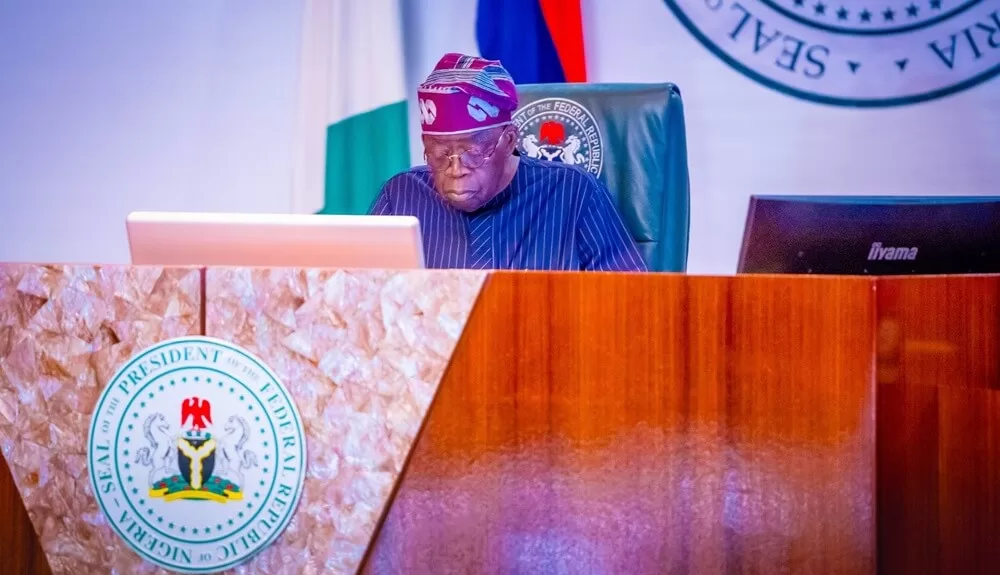
The Tinubu administration’s sweeping tax reforms promise to expand government revenue but experts warn that the balance between fiscal discipline and economic relief remains delicate.
President Bola Ahmed Tinubu’s economic blueprint hinges on one simple truth: Nigeria needs more money to function effectively. After years of dwindling oil revenues, mounting debt, and ballooning recurrent expenditure, his administration has turned decisively to tax reforms as a lifeline for the nation’s fiscal future.
At the heart of this agenda is the Presidential Committee on Fiscal Policy and Tax Reforms, chaired by Taiwo Oyedele, a respected tax expert. The committee’s mandate is ambitious to simplify Nigeria’s complex tax structure, expand the tax base, and boost compliance while ensuring fairness across income levels.
Oyedele describes the task as “not about introducing new taxes, but about making the system work better for everyone.” The goal is to harmonize Nigeria’s over 60 fragmented taxes into a few manageable ones, reduce duplication, and strengthen digital collection systems.
However, economic realities have made implementation tricky. Businesses already grappling with subsidy removal, inflation, and foreign exchange volatility fear that any additional tax burden could stifle growth. “The intent may be noble, but timing is everything,” notes Dr. Ayo Teriba, a Lagos-based economist. “Government must avoid reforms that suffocate productivity.”
READ ALSO: FG to End Income Tax for Nigerians Earning Below ₦800,000 by 2026
Tinubu’s team insists the reforms will ultimately make taxation more transparent and equitable, ensuring the wealthy and large corporations pay their fair share. The World Bank has also backed Nigeria’s direction, calling tax reform “a necessary foundation for sustainable growth.”
But for millions of Nigerians, patience is thin. Many want to see tangible improvements — in roads, healthcare, and education as proof that their taxes are being used efficiently. For Tinubu, building that trust may be as crucial as building revenue.

