
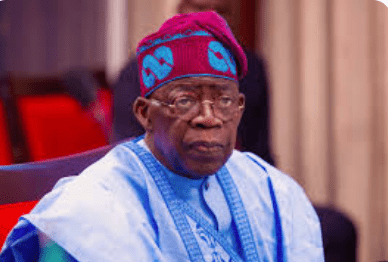
President Bola Ahmed Tinubu returned to Abuja on Sunday after a ten-day working visit that combined governance, diplomacy, investment meetings, and national celebrations across several states.
The President departed Lagos early Sunday morning following a busy itinerary that began on September 26 when he arrived from Ibadan, Oyo State, after attending the coronation of His Imperial Majesty, the Olubadan of Ibadanland, Oba Rashidi Adewolu Ladoja. His visit to Lagos featured strategic engagements with business leaders, foreign diplomats, and cultural events marking Nigeria’s 65th Independence anniversary.
During his stay in the commercial capital, President Tinubu met with key investors, including Bayo Ogunlesi, Chief Executive Officer of Global Infrastructure Partners, and Keem Belo-Osagie, Chairman of Metis Capital Partners and former head of United Bank for Africa and Etisalat. The discussions focused on infrastructure development, energy transition, and opportunities for expanding private sector investment in Nigeria’s economy.
In a separate engagement, the President received the Secretary-General of the International Maritime Organisation (IMO), Mr Arsenio Dominguez, alongside the Minister of Marine and Blue Economy, Adegboyega Oyetola, and other industry leaders. Tinubu reaffirmed his administration’s commitment to transforming Nigeria’s maritime sector into a key driver of economic diversification, emphasizing the need to explore “blue economy” opportunities beyond fossil fuel dependency.
Ahead of Nigeria’s Independence Day, the President travelled to Imo State where he commissioned several developmental projects executed by Governor Hope Uzodimma. He also unveiled Uzodimma’s newly authored book chronicling ten years of governance under the All Progressives Congress (APC), highlighting the party’s reform efforts and policy impact at federal and state levels.
READ ALSO: Atiku Faults INEC’s Commitment to Electoral Reforms
Tinubu’s national broadcast on October 1 was delivered from the State House, Dodan Barracks — the same historical site where Nigeria’s early independence leaders once operated. In his speech, he urged citizens to remain optimistic, assuring that his administration’s economic reforms, though challenging, would lay the foundation for a more resilient nation.
Later that day, the President commissioned the renovated National Theatre in Lagos, now renamed the Wole Soyinka Centre for Culture and the Creative Arts, in honour of the Nobel Laureate. The event underscored Tinubu’s focus on promoting Nigeria’s creative industry as a major contributor to national development.
Concluding his trip, Tinubu travelled to Jos, Plateau State, on October 4 to attend the funeral of Mama Lydia Yilwatda, mother of APC National Chairman, Professor Nantawe Yilwatda. Addressing mourners, the President paid tribute to the late matriarch’s legacy of faith and service. He also assured Christian communities in Northern Nigeria of his administration’s commitment to fairness, unity, and inclusion among all religious and ethnic groups.
President Tinubu’s return to Abuja marks the end of one of his most extensive working tours since assuming office, combining state functions, economic diplomacy, and national engagement across multiple regions of the country.