
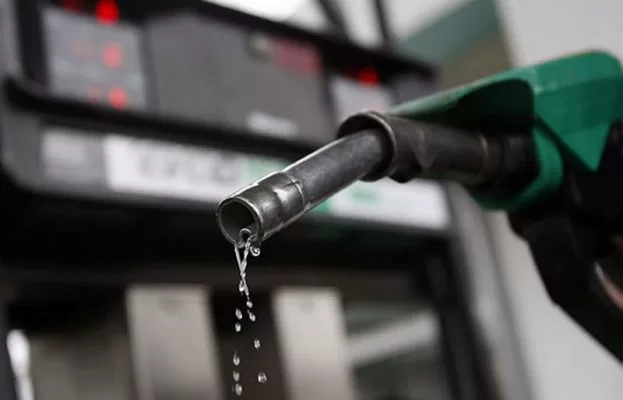
Depot petrol prices have surged to nearly ₦900 per litre across key coastal cities in Nigeria, sparking renewed fears of a nationwide fuel crisis and increased inflationary pressure.
Industry sources confirmed on Monday that the sharp increase stems from operational and supply disruptions at the Dangote Petroleum Refinery, which has recently faced challenges affecting the distribution of refined petroleum products.
The refinery, which was expected to stabilize domestic fuel supply and reduce import dependence, has reportedly slowed production due to technical and logistics bottlenecks. These issues have constrained the volume of petrol available to marketers, leading to scarcity at depots and aggressive price hikes.
In Lagos, Port Harcourt, and Warri major coastal supply hubs independent marketers were seen scrambling for limited petrol allocations. Depot owners attributed the spike to “tight product availability and higher logistics costs.”
“At the moment, most depots are selling between ₦870 and ₦900 per litre, depending on the location and supplier,” a senior marketer with the Independent Petroleum Marketers Association of Nigeria (IPMAN) told reporters. “This situation is creating panic buying, and many retail outlets are shutting down because they can’t afford to restock.”
The Nigerian Midstream and Downstream Petroleum Regulatory Authority (NMDPRA) has yet to issue an official statement, but sources within the agency said it was working with Dangote Refinery and key marketers to restore normal supply in the coming days.
READ ALSO: No FCT Judge Will Live in Rented Apartment by 2027 — Wike
Economic analysts warn that the surge in depot prices could translate to pump prices exceeding ₦1,000 per litre, further worsening the cost-of-living crisis for millions of Nigerians.
“This development threatens to undo some of the economic gains achieved through recent reforms,” said energy economist Dr. Tunde Akintola. “Without a swift response from regulators and producers, transportation and food prices will spiral further.”
The Dangote Petroleum Refinery, which began operations earlier this year, was touted as a game changer for Nigeria’s energy independence. However, recurring production and logistics challenges have limited its output below projected capacity.
As supply remains tight and prices soar, pressure is mounting on the federal government to intervene decisively ensuring stability in the downstream sector and protecting consumers already grappling with rising energy costs.