
At least 115 bodies have been recovered following the devastating flash flood that swept through Mokwa and surrounding areas in Niger State earlier this week.
Officials from the Niger State Emergency Management Agency (NSEMA) confirmed on Friday that the death toll is expected to rise further as search and rescue operations continue.
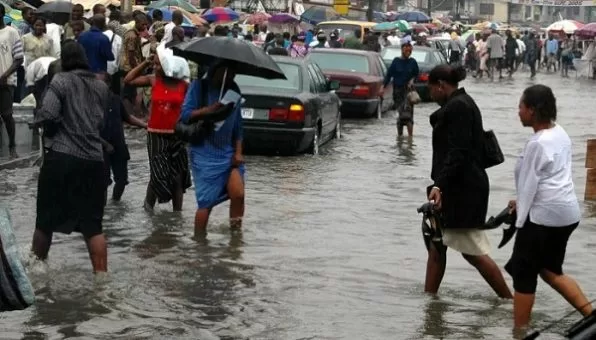
The floods, triggered by torrential rains late on Wednesday, destroyed dozens of homes and displaced hundreds of families. Rescue teams are still combing through debris and downstream areas in the hopes of finding survivors—or more bodies.
“We have so far recovered 115 bodies and more are expected to be recovered because the flood came from a far distance and washed people into the River Niger,” said Ibrahim Audu Husseini, spokesman for NSEMA. “Downstream, bodies are still being recovered. So, the toll keeps rising.”
Husseini described the scale of the tragedy, noting that many are still unaccounted for. “A family of 12—only four have been accounted for,” he said somberly. “Some bodies were recovered from the debris of collapsed homes. We’ll need excavators to retrieve corpses from under the rubble.”
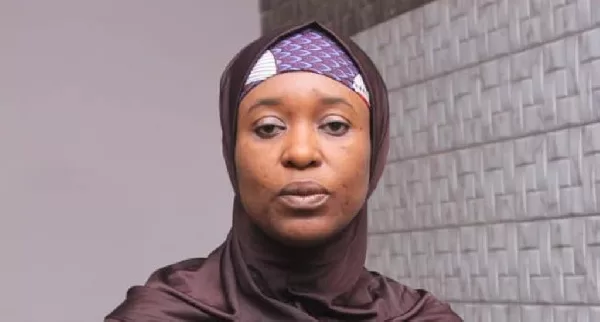
On the ground in Mokwa, scenes of grief and loss were everywhere. Displaced children waded through floodwaters where the risk of waterborne diseases is high. Two bodies lay covered under printed cloth and banana leaves, a stark reminder of the human cost of the disaster. An emotional woman in a maroon headscarf sat nearby, silently weeping.
READ ALSO: Ekiti imposes ban on tobacco smoking in private, public places
Residents described losing not only loved ones but everything they owned. Mohammed Tanko, a 29-year-old civil servant, pointed to the ruins of his childhood home.
“We lost at least 15 from this house,” he said. “The property is gone. We lost everything.”
Fisherman Danjuma Shaba, 35, said he had been sleeping in a car park since the floods struck. “I don’t have a house to sleep in. My house has already collapsed,” he said.
Nigeria’s rainy season, which typically lasts six months, has only just begun, yet the flooding already mirrors some of the most catastrophic events in the country’s recent history. In 2024, over 1,200 people were killed and 1.2 million displaced by floods in 31 of Nigeria’s 36 states, according to the National Emergency Management Agency (NEMA).
Experts say the situation is likely to worsen due to a combination of climate change and poor infrastructure. Scientists warn that rising global temperatures are fuelling more extreme weather patterns. In Nigeria, these effects are compounded by inadequate drainage systems, construction on waterways, and the widespread dumping of waste into storm drains and canals.
The Nigerian Meteorological Agency had issued early warnings of flash floods in 15 states, including Niger, between Wednesday and Friday. But in many areas, the warning systems are either ignored or too underdeveloped to prompt timely evacuations.
For now, search teams continue their grim task along the banks of the River Niger, as communities begin to bury their dead and search for ways to rebuild.