
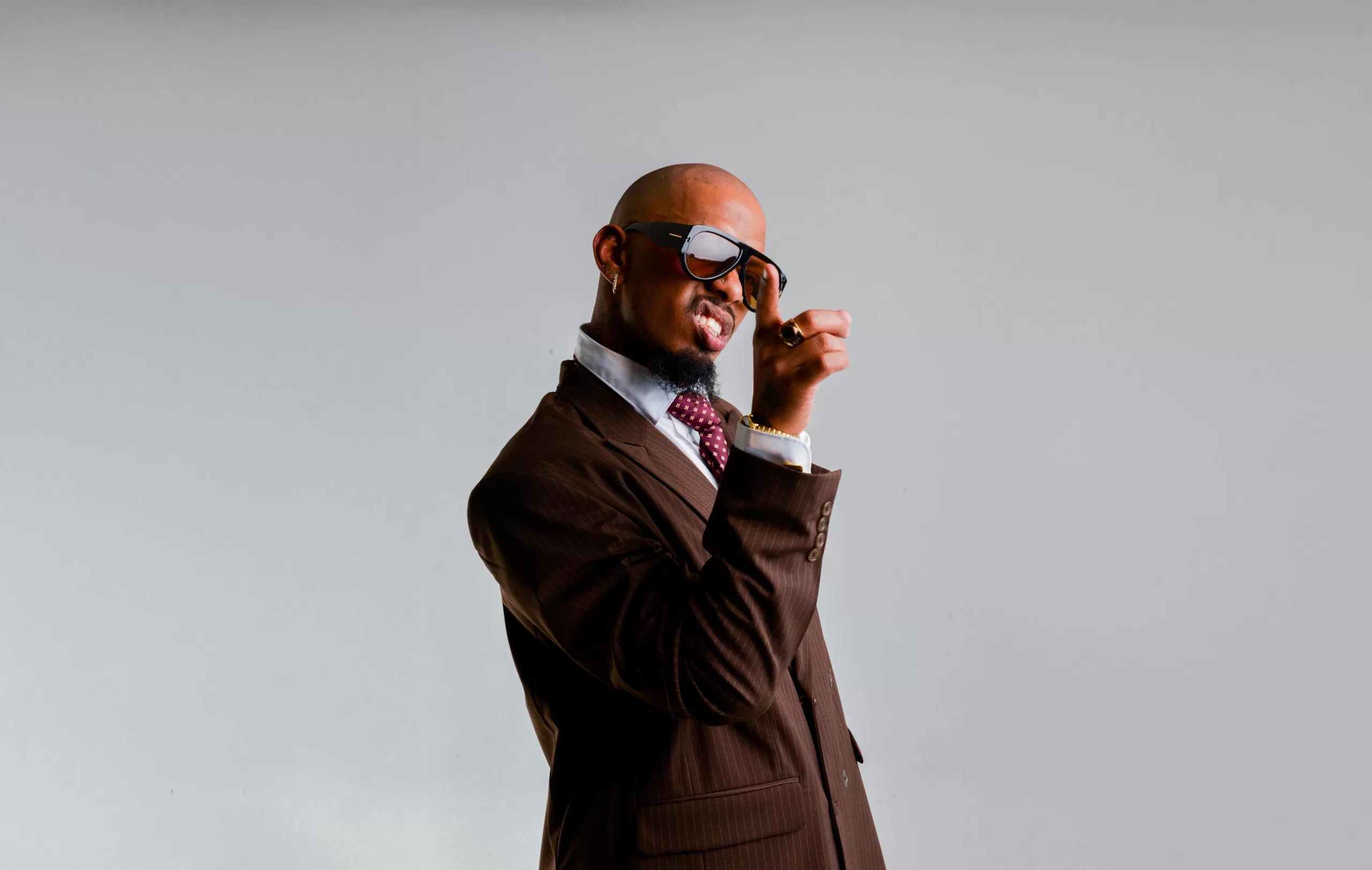
South African choreographer Lee-ché Janecke, celebrated for crafting the viral moves behind Tyla’s Grammy-winning hit “Water,” is setting his sights on the global stage.
The Cape Town-born creative, who has become one of the country’s most recognizable dance exports, says his mission is to blend South Africa’s rich movement culture with international platforms ranging from K-pop and theatre to advertising and fashion.
Janecke, 29, first rose to prominence when Tyla’s “Water” dance challenge exploded on TikTok, garnering millions of views and sparking imitations worldwide.
The choreography’s fusion of amapiano rhythm with fluid, accessible steps cemented Janecke as a creative force who could translate African dance traditions into viral global trends.
In a recent interview, he said the success of “Water” proved that African storytelling through movement resonates universally. “Dance is a language that connects people. What we created wasn’t just steps it was an emotion, a feeling that carried South Africa to the world,” Janecke explained.
Building on that momentum, Janecke is now pursuing collaborations with K-pop groups, Broadway choreographers, and global advertising brands. He has also hinted at plans to open an international dance academy that would mentor African creatives and provide them access to global networks.
Industry observers believe Janecke’s ambitions come at a critical time. South African pop culture—particularly amapiano and Afro-dance is enjoying unprecedented international recognition. Artists like Tyla, Uncle Waffles, and Major League DJz have placed the country on the world stage, but choreographers and dancers are increasingly stepping into the spotlight as creative leaders.
“Lee-ché represents the next wave of African cultural exports,” said Nandi Mahlangu, a Johannesburg-based performing arts critic. “His choreography doesn’t just complement the music—it amplifies the cultural heartbeat. If he successfully connects with industries like K-pop, the influence of African dance will expand even further.”
READ ALSO: E1 electric powerboat championship kicks off in Lagos Oct 4
Janecke has also made it clear that his global aspirations won’t mean abandoning his roots. He continues to work with local performers, host workshops in townships, and advocate for greater recognition of South African dance heritage. His recent masterclasses in Johannesburg and Durban attracted hundreds of young dancers eager to learn from someone who has bridged the gap between viral fame and professional acclaim.
At the same time, Janecke is using his platform to push for better industry structures in South Africa. He has called for more investment in arts education, sustainable funding for choreographers, and policies that protect creatives from exploitation.
“Too often, dancers are overlooked even though we are the heartbeat of music culture,” he said. “If South Africa wants to keep exporting talent, we must create systems that nurture, pay fairly, and support artists.”
As Janecke’s profile continues to rise, fans and critics alike see him as a cultural ambassador one determined to carry South Africa’s rhythms to the biggest stages in the world. His journey, from choreographing a viral TikTok sensation to pursuing collaborations in K-pop and theatre, underscores the growing global appetite for African creativity.
For Janecke, the dance floor is no longer just a stage it’s a passport.