
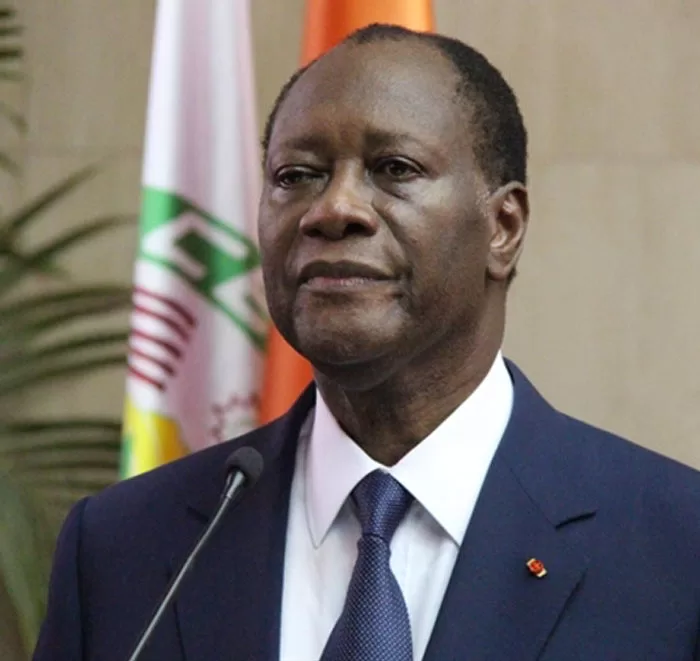
Ivory Coast held a decisive presidential election on Saturday, October 25, 2025, with incumbent President Alassane Ouattara, aged 83, seeking a controversial fourth term amid growing public frustration over political exclusion and economic challenges.
The poll, seen as a test of stability in one of West Africa’s largest economies, has drawn international attention due to concerns over electoral transparency and democratic governance.
Major opposition figures, including former president Laurent Gbagbo and ex–Credit Suisse executive Tidjane Thiam, were barred from contesting after the Constitutional Council ruled their candidacies invalid. The disqualifications have intensified criticism that the election lacks genuine competition, with several civil society groups describing the process as “unbalanced and restrictive.”
The government maintains that the election is being conducted under constitutional provisions, insisting that only candidates meeting legal requirements were cleared to run. However, opposition parties argue that the disqualifications are politically motivated, accusing the ruling party of manipulating electoral laws to entrench Ouattara’s hold on power.
Voting proceeded under tight security across the country, with thousands of police and military personnel deployed to maintain order. While polling stations in Abidjan and other major cities opened on schedule, some rural areas reported delays due to logistical challenges. Election observers from ECOWAS, the African Union, and the European Union monitored the process, calling for calm and urging authorities to ensure that results reflect the will of the people.
Beyond political tensions, many Ivorians say they are more concerned about daily economic realities. Youth unemployment, inflation, and a rising cost of living have dominated conversations throughout the campaign period. Over 60 percent of the population is under 35, and many young voters say they feel excluded from the country’s political and economic systems.
READ ALSO: Tinubu Meets Enugu Governor Peter Mbah at Presidential Villa
“We need jobs, not just promises,” said Koffi Kouadio, a 24-year-old university graduate in Abidjan. “Every election, they talk about progress, but life keeps getting harder.”
Ouattara, who has ruled since 2011, defends his record, citing major infrastructure projects and economic growth averaging five percent annually. Critics, however, contend that prosperity has not been evenly distributed and that political space has shrunk under his leadership.
The Independent Electoral Commission is expected to announce preliminary results within 48 hours. Observers warn that any perception of irregularities could trigger unrest, recalling the deadly violence that followed Ivory Coast’s disputed 2010 election.