

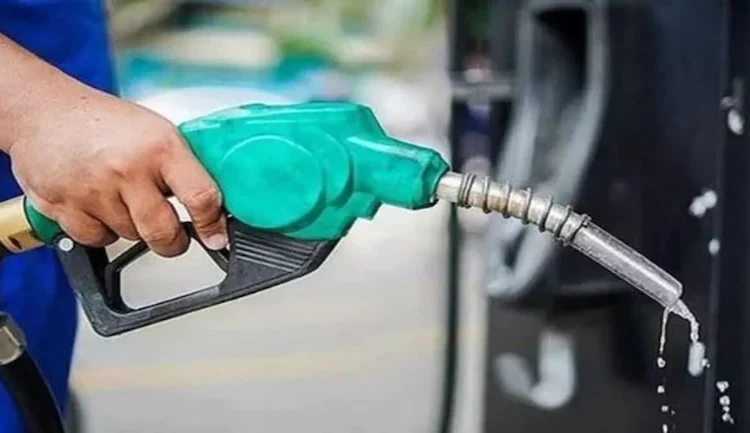
Petroleum marketers have warned that petrol prices in Nigeria could surge above ₦1,000 per litre following President Bola Ahmed Tinubu’s approval of a 15 per cent ad-valorem import tariff on fuel imports.
The tariff, designed to encourage domestic refining and reduce reliance on imported petroleum products, is scheduled to take effect after a 30-day transition period.
Industry sources said the market is already reacting to the policy announcement, with depot prices rising and pump prices hovering near ₦900 to ₦920 in several states. Marketers fear the additional tariff burden will immediately translate into higher retail costs, deepening inflationary pressures and worsening the cost-of-living crisis for millions of Nigerians.
A senior member of the Independent Petroleum Marketers Association of Nigeria (IPMAN) said the new tariff, though well-intentioned, would “raise operating costs across the supply chain” and push pump prices “beyond what average Nigerians can bear.”
“If the policy goes ahead without parallel measures to stabilise supply and support local refining, petrol could easily sell above ₦1,000 per litre,” the official warned. “People are already struggling. This will hit transport, food prices and small businesses.”
READ ALSO: Tax Committee Unveils Media Excellence Award
Government officials, however, have defended the decision, stressing that the tariff is temporary and intended to protect emerging domestic refining capacity, including the Dangote Refinery and other modular facilities. According to the Presidency, the tariff will “gradually shift Nigeria away from import dependency and create long-term price stability.”
But energy analysts argue that while boosting local refining is necessary, policy timing and market realities must be balanced. Nigeria currently depends heavily on fuel imports, and supplying the entire market locally could take months once refineries ramp up production.
Stakeholders also worry about market concentration, with reports suggesting major importers may align pricing strategies with domestic refinery supply, potentially reducing competition and creating an environment conducive to price escalation.
Public reaction remains tense as households and transport operators brace for impact. Many Nigerians still recover from last year’s petrol subsidy removal, which triggered fuel price increases and inflation spikes across food, transport, and essential goods.
Economists warn that without short-term intervention such as targeted transport support, strategic reserves or phased tariff implementation the policy may erode purchasing power and stall economic recovery.
With implementation set for late November, all eyes are now on supply dynamics, government safeguards, and refinery output levels. The coming weeks will determine whether the tariff ushers in energy independence or ushers in another wave of price pain for Nigerian consumers.