
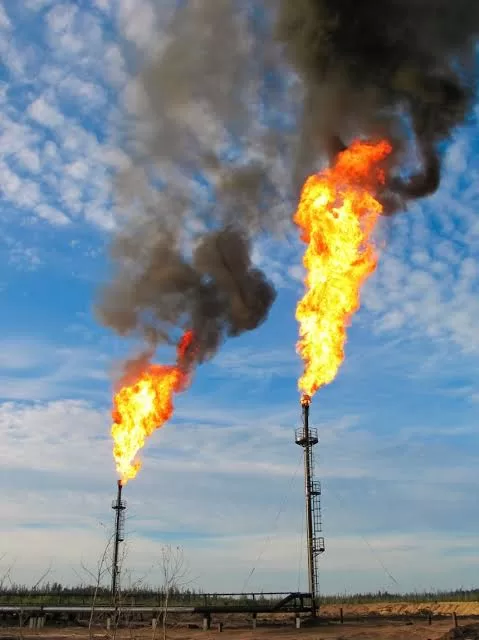
The European Union (EU), in collaboration with the German Embassy in Nigeria, has unveiled a new initiative aimed at reducing gas flaring and promoting cleaner energy production across Nigeria’s oil and gas sector.
The programme, launched in Abuja on Saturday, seeks to support Nigeria’s efforts to meet its 2030 gas flaring reduction targets while advancing environmental sustainability, energy efficiency, and economic diversification.
Speaking at the launch, the EU Ambassador to Nigeria and ECOWAS, Ms. Samuela Isopi, said the project is part of the EU’s broader commitment to support Nigeria’s energy transition and climate action goals. She described gas flaring as both an environmental and economic challenge that must be urgently addressed through innovation and international partnership.
“Gas flaring not only contributes significantly to greenhouse gas emissions but also represents a major loss of potential revenue,” Isopi said. “This collaboration aims to support Nigeria in developing cleaner technologies, improving gas capture infrastructure, and creating opportunities for sustainable investment.”
The German Ambassador to Nigeria, Annett Günther, noted that Germany remains a strong partner in Nigeria’s energy reform efforts. She said the new initiative will provide technical assistance, capacity building, and funding support for local operators to adopt flare-reduction technologies and invest in renewable energy solutions.
READ ALSO: Tinubu Departs Abuja for Aqaba Security Summit in Rome
According to Günther, “This programme underscores Germany’s commitment to global climate goals and our partnership with Nigeria in achieving a just and sustainable energy transition.”
Nigeria, Africa’s largest oil producer, currently ranks among the top ten countries globally in gas flaring volumes, losing billions of cubic feet of gas annually. The practice contributes to environmental degradation, air pollution, and economic waste despite ongoing government policies to curb the trend.
The Federal Ministry of Environment and the Nigerian Upstream Petroleum Regulatory Commission (NUPRC), both partners in the initiative, pledged full support for the programme’s implementation. They emphasized that ending gas flaring remains central to Nigeria’s Nationally Determined Contributions (NDCs) under the Paris Climate Agreement.
Experts say the EU-German partnership could accelerate Nigeria’s transition toward cleaner, low-carbon energy systems, attract foreign investment, and create green jobs. The initiative is expected to roll out pilot projects in the Niger Delta region, where gas flaring remains most prevalent.