
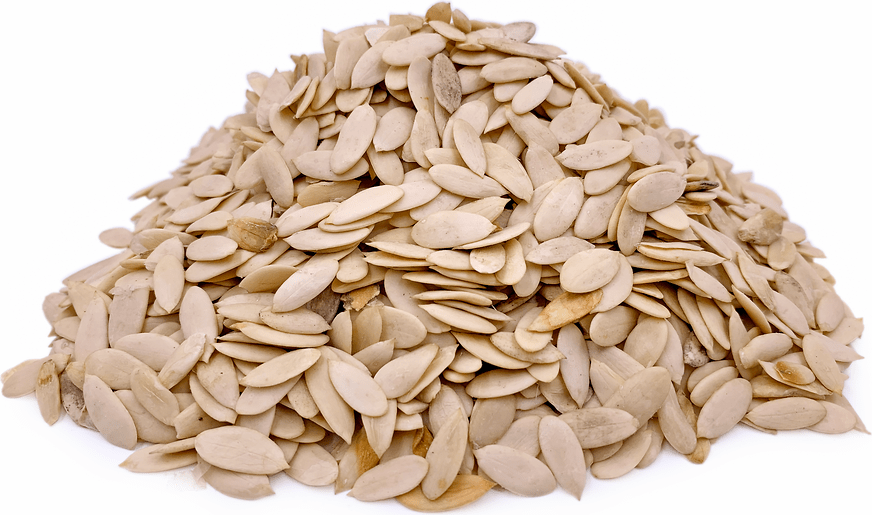
A Nigerian delicacy, egusi, is making history as it is set to become the first West African food to be launched into space as part of a global scientific mission exploring how regional cuisines behave in microgravity.
The mission, led by Nigerian space scientist and entrepreneur Dr. Temidayo Oniosun, marks a historic milestone in food science and cultural representation in space exploration.
Oniosun, founder and managing director of Space in Africa, shared mission updates live from Cape Canaveral, Florida, just outside NASA’s Kennedy Space Center, during an appearance on Channels Television’s The Morning Brief. Initially scheduled for July 31, the launch via a SpaceX Falcon 9 rocket was briefly postponed due to weather, and is now expected to occur today at approximately 4:45 PM Nigerian time.
“This is the first time an object from Nigeria is going to space,” Oniosun stated, explaining that egusi will travel alongside other culturally meaningful crops—including Egyptian cotton, Armenian pomegranate, and Pakistani wheat as part of a global experiment examining how traditional seeds perform in microgravity.
He emphasized the broader significance of the mission: “It’s also more than a symbolic gesture, you know it represents the bold step to preparing humanity for life as an interplanetary species.” The goal is clear, he explained: “in the future, we can actually eat African food in outer space.” The experiment will also include monitoring Nigerian crop seeds to study the effects of space exposure on genetic composition, respiration, and other biological markers.
When asked why egusi was selected, Oniosun said: “I don’t think there’s a better dish that says, ‘See, I’m Nigerian’ than egusi. It speaks more of Nigeria than anything else.” He described the mission as a form of agricultural diplomacy, noting: “If egusi can go to space… people can connect to this; they can see space is not out of reach for them”
READ ALSO: NEC Calls for Strengthened State Emergency Management Agencies Operations
The initiative is one phase of a broader research agenda. Oniosun confirmed further payloads are planned: “This is the first stage of these experiments. We are going to send more stuff to space” .
The egusi seeds will be launched aboard NASA’s Crew‑11 resupply mission to the ISS, with scientists collaborating with Jaguar Space, The Karman Project, the University of Florida, and the International Institute of Tropical Agriculture (IITA) for post-flight analysis. Once retrieved, the seeds will undergo tests including DNA analysis, metabolic profiling, and germination studies to assess microgravity-induced changes.