
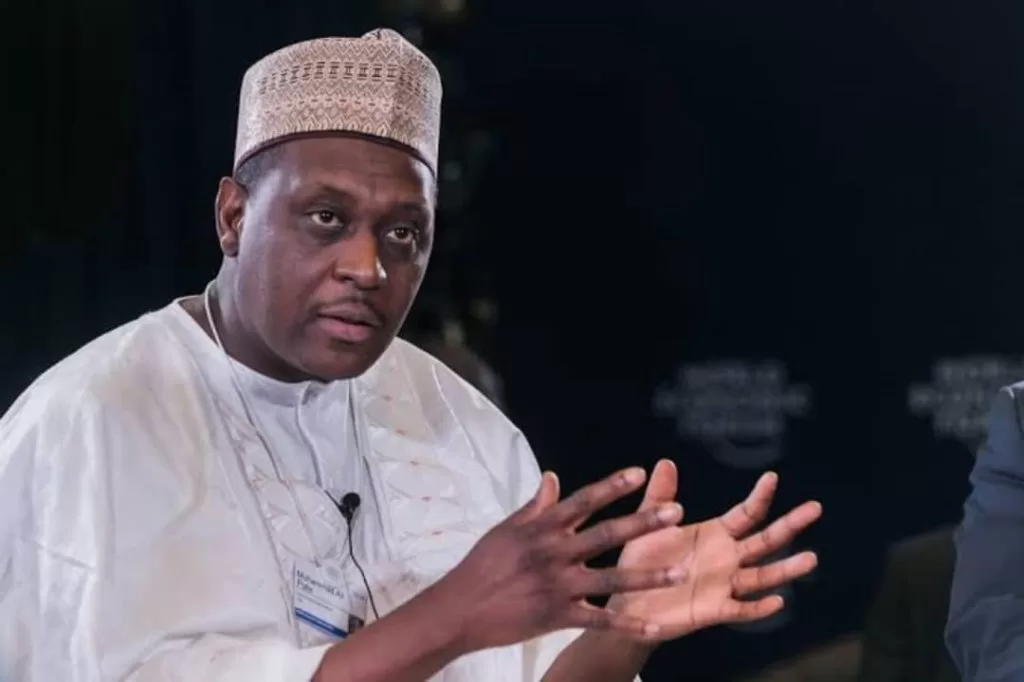
Coordinating Minister of Health and Social Welfare, Professor Muhammad Ali Pate, has called for active citizen participation in needs identification as a cornerstone for achieving Universal Health Coverage (UHC) worldwide.
Addressing the High-Level Forum on UHC in Tokyo, Japan, on Sunday, Professor Pate highlighted Nigeria’s experience in adopting a Sector-Wide Approach (SWAp) to health reforms as a model for other nations seeking sustainable health system transformation.
According to Professor Pate, the SWAp framework in Nigeria has centralized the role of citizen needs surveys and enabled real-time tracking of reform progress. “When citizens actively contribute to identifying their healthcare needs, governments are better equipped to plan, implement, and monitor reforms that truly reflect national priorities,” Pate explained. “This approach ensures genuine ownership of health policies and fosters sustainable outcomes.”
The Nigerian minister’s remarks were made alongside Mr. Ajay Banga, President of the World Bank, who commended countries like Nigeria for integrating local solutions into their UHC strategies.
Banga noted that nations focusing on domestic manufacturing of medical products are addressing a crucial yet often overlooked aspect of health system strengthening. “By producing medicines and medical supplies locally, countries reduce dependency, enhance supply chain resilience, and make healthcare more accessible,” Banga said.
READ ALSO: Pate, ICPC Launch Multi-Year Health Accountability Pact
The Tokyo forum brought together finance and health ministers from multiple continents, underlining the global commitment to achieving UHC. During the event, participants signed onto a compact to establish a Knowledge Hub, aimed at facilitating collaboration between ministers of health and finance in different countries. The Knowledge Hub is designed to synergize efforts, share best practices, and accelerate progress toward universal healthcare.
Professor Pate emphasized that Nigeria’s approach demonstrates the importance of aligning policy, funding, and citizen engagement to drive effective health reforms. “It is not enough to invest resources; citizens must be at the heart of planning and monitoring,” he said. “Their insights are essential for identifying gaps, designing responsive interventions, and ensuring the long-term success of health programs.”
The forum also highlighted the growing role of data-driven decision-making, with ministers agreeing that monitoring and evaluation mechanisms must accompany every reform initiative. By collecting real-time data on healthcare delivery and reform outcomes, governments can adjust policies promptly and optimize resource allocation, ultimately ensuring that no one is left behind.
As countries like Nigeria continue to implement innovative health policies, global leaders are increasingly recognizing the value of locally tailored solutions and citizen engagement in achieving UHC. Professor Pate’s participation in the Tokyo forum reinforces Nigeria’s position as a thought leader in health system reforms, particularly in promoting transparency, accountability, and sustainable national ownership.
The forum concluded with a renewed commitment to collaborative, multi-sectoral approaches, emphasizing that the path to universal health coverage requires not just financial investment, but also inclusive planning, local innovation, and active citizen participation.
With Nigeria at the forefront of these initiatives, experts say the country’s strategies could serve as a blueprint for other nations striving to deliver equitable, accessible, and high-quality healthcare to their populations.