
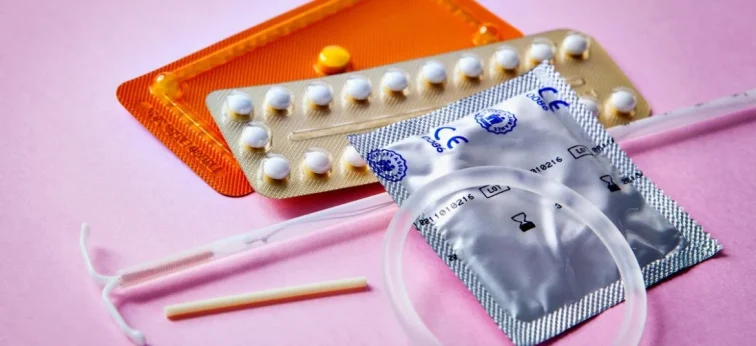
In a controversial move aimed at addressing declining birth rates, the Chinese government has introduced a 13% sales tax on contraceptives, effective January 1, while extending tax exemptions to childcare services, elderly care, and marriage-related expenses.
The policy ends a long-standing exemption on contraceptives that had been in place since 1994, during the era of China’s one-child policy.
Authorities said the revised tax structure is part of a broader effort to support families, which also includes longer parental leave and cash incentives for parents. It has also described several initiatives as “fertility-friendly”, including urging colleges and universities to provide “love education” to promote marriage, love, fertility and family in a positive light.
Official figures show China’s population has contracted for the third consecutive year, with just 9.54 million babies born in 2024—roughly half the number recorded a decade ago, according to BBC News.
The new tax on contraceptives, which had been VAT-exempt for more than 30 years, has triggered widespread public criticism and ridicule online. Many citizens argue that making contraceptives more expensive is unlikely to boost birth rates.
READ ALSO: China impose high tax on condoms to boost birth rate
China’s population declined for a third consecutive year in 2024, with experts warning that the downward trend is likely to persist.
In recent years, the government has introduced a range of measures aimed at encouraging family formation. These include exempting childcare subsidies from personal income tax and rolling out an annual childcare subsidy last year.
At the annual Central Economic Work Conference last month, top leaders again pledged to promote “positive marriage and childbearing attitudes” as part of efforts to stabilise birth rates.
China’s birth rate has been declining for decades, shaped by the legacy of the one-child policy enforced between 1980 and 2015, alongside rapid urbanisation.
High childcare and education costs, job uncertainty and a slowing economy have further discouraged many young people from marrying and starting families.
Daniel Luo, 36, a father of one from Henan Province, likened the move to raising subway fares: “When subway fares go up by a yuan or two, people still have to ride. Raising taxes on contraceptives won’t change what people want to do.”
Others warn the measure could have unintended consequences, particularly for students and low-income residents. Rosy Zhao, a Xi’an resident, cautioned that higher contraceptive costs might lead to risky behaviour, calling it “the policy’s most dangerous potential outcome.”
Some experts also question whether population growth is the true motive. Demographer Yi Fuxian suggests that the government may be using the tax as a revenue-raising measure amid rising national debt and a slowdown in the property market.
The decision has reignited debates about China’s demographic challenges, with critics saying that taxation on birth-control products may conflict with broader pro-family initiatives.