
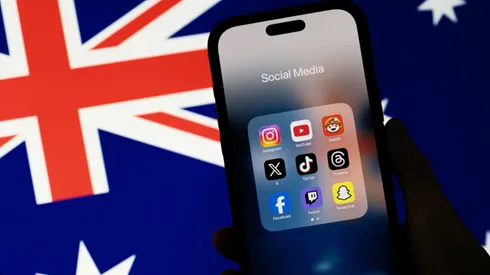
Australia on Wednesday became the first country to ban social media for children under 16, blocking access in a move welcomed by many parents and child advocates but criticised by major technology companies and free-speech advocates.
Starting at midnight (1300 GMT on Tuesday), 10 of the largest platforms including TikTok, Alphabet’s (GOOGL.O), opens new tab YouTube and Meta’s (META.O), opens new tab Instagram and Facebook were ordered to block children or face fines of up to A$49.5 million ($33 million) under the new law, which is being closely watched by regulators worldwide.
Prime Minister Anthony Albanese called it “a proud day” for families and cast the law as proof that policymakers can curb online harms that have outpaced traditional safeguards.
“This will make an enormous difference. It is one of the biggest social and cultural changes that our nation has faced,” Albanese told a news conference on Wednesday.
“It’s a profound reform which will continue to reverberate around the world.”
“This is the day when Australian families are taking back power from these big tech companies,” Mr. Albanese told ABC News.
“New technology can do wonderful things but we need to make sure that humans are in control of our own destiny and that is what this is about,” he said.
In a video message, Albanese urged children to “start a new sport, new instrument, or read that book that has been sitting there for some time on your shelf,” ahead of Australia’s summer school break starting later this month.
Some of those below the cut-off age of 16 were anxious about adjusting to life without social media, but others were less concerned.
“I’m not really that emotional about it,” said 14-year-old Claire Ni. “I’m kind of just, like, neutral.”
Luna Dizon, 15, said she still had access to her TikTok, Instagram and Snapchat accounts, but worried about “culture shock” once the ban took full effect.
“I think eventually, without (social media), we’ll learn how to adapt to it,” she added.
BAN HAS GLOBAL IMPLICATIONS
The rollout caps a year of debate over whether any country could practically stop children from using platforms embedded in daily life, and begins a live test for governments frustrated that social media firms have been slow to implement harm-reduction measures.
“I’m happy that they want to protect kids, and I’m happy that we have a chance to see how they do it and see if we can learn from them,” said European Union lawmaker Christel Schaldemose, who wants to see greater protection for the bloc’s children.
Albanese’s centre-left government proposed the landmark law citing research showing harms to mental health from the overuse of social media among young teens, including misinformation, bullying and harmful depictions of body image.
Several countries from Denmark to New Zealand to Malaysia have signalled they may study or emulate Australia’s model.
At a school in the German city of Bonn, students spoke favourably of a ban.
“Social media is highly addictive and doesn’t really have any real advantages. I mean, there are advantages, such as being able to spread your opinion, but I think the disadvantages, especially the addiction, are much worse,” said 15-year-old pupil Arian Klaar.
Julie Inman Grant, the U.S.-born eSafety Commissioner who is overseeing the ban, told Reuters on Wednesday a groundswell of American parents wanted similar measures.
“I hear from the parents and the activists and everyday people in America, ‘we wish we had an eSafety commissioner like you in America, we wish we had a government that was going to put tween and teen safety before technology profits,'” she said in an interview at her office in Sydney.