
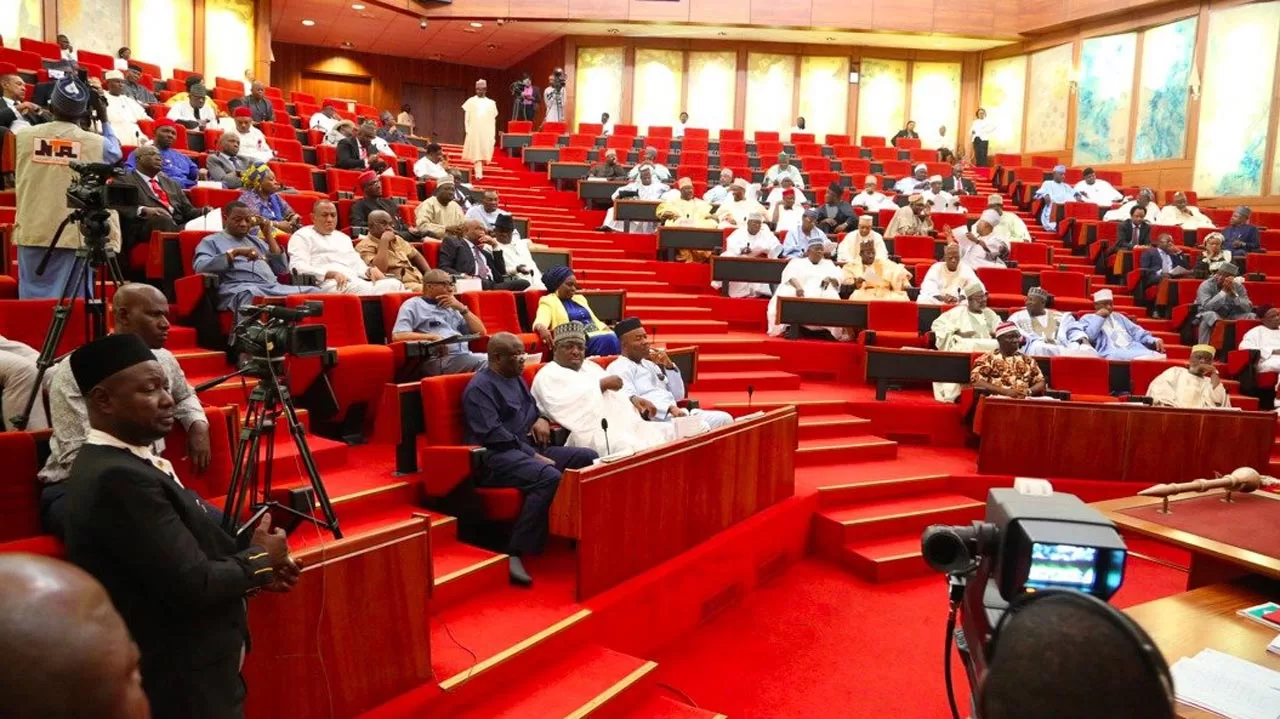
The Nigerian Senate has initiated a legislative push for the complete removal of electricity subsidies as a strategic measure to shore up the 2026 budget.
This move is part of a broader fiscal recalibration aimed at eliminating “asymmetric threats” to the nation’s economy and redirecting scarce resources toward critical “infrastructure of distribution” and social welfare programs.
According to the Senate Committee on Power, the continued maintenance of the subsidy has become a significant “logistics bottleneck” for the liquidity of the energy sector.
By transitioning to a cost-reflective tariff, the government intends to enhance the “security of supply” and attract the massive private investment required to modernize the national grid. For an economy targeting a $1 trillion GDP, the Senate argues that the “fiscal health” of the power sector is a non-negotiable prerequisite.
From a macroeconomic perspective, the removal of the subsidy is seen as a “macro-stabilizer” that will reduce the federal deficit and improve Nigeria’s creditworthiness on the global stage.
Historically, the subsidy has been criticized for benefiting higher-income consumers while draining the “liquidity of opportunity” for rural electrification. The new legislative direction seeks to replace the broad subsidy with a more “targeted intervention” model, focusing on protecting the “security of the person” in vulnerable and underserved communities.
READ ALSO: Senate approves electronic transmission of results, permits manual collation as backup
The fiscal implications of this policy shift are centered on the 2026 capital budget. The revenue saved from the subsidy removal is earmarked for the development of “human capital” through education and healthcare, as well as the expansion of the “technological sovereignty” of the nation’s digital and energy networks.
The Senate has emphasized that the “verifiability of results” will be key, ensuring that the savings are transparently reinvested into projects that lower the “cost of doing business” for Nigerian SMEs.
However, the proposal has sparked intense debate regarding “cost-push inflation.” Lawmakers are advocating for a phased implementation to mitigate the impact on the “liquidity of the person” and ensure that the transition does not lead to social instability.
They have called for a “tax harmonization” and a more robust regulatory framework to prevent arbitrary billing by Distribution Companies (DisCos) following the subsidy exit.
As the 2026 fiscal year progresses, the focus remains on the “stability of the policy.” The Senate’s push represents a transition from a consumer-subsidized energy model to a producer-incentivized one. Ultimately, the success of this reform will be a vital indicator of Nigeria’s ability to manage complex “energy transition” challenges while sustaining the momentum of its national economic growth.