


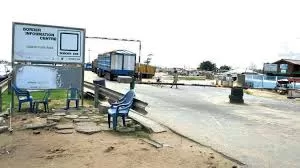
The Federal Government has officially reopened the Tsamiya-Anguwar Lalle land border with the Republic of Benin.
This development ends a seven-year closure that began in 2019, signaling a significant shift in Nigeria’s trade policy and its commitment to the “security of transit” within the West African sub-region.
The reopening of the Tsamiya border post, located in Kebbi State, follows extensive diplomatic engagements between Nigerian and Beninese officials. The move is designed to alleviate the “logistics bottlenecks” that have plagued cross-border commerce and to provide a “liquidity of opportunity” for small and medium-scale enterprises (SMEs) that rely on the corridor for their livelihoods.
From a macroeconomic perspective, the restoration of activities at this strategic gateway is a vital component of Nigeria’s drive toward a $1 trillion GDP. By facilitating the legal movement of goods and services, the government aims to boost non-oil revenue through the Nigeria Customs Service while curbing the “asymmetric threats” of smuggling and informal trade that thrived during the closure.

Historically, the Tsamiya route has been a critical artery for the export of agricultural produce and the import of essential raw materials. Analysts suggest that the reopening will serve as a “macro-stabilizer” for the local economy in Kebbi and surrounding states, potentially lowering the “cost of doing business” by reducing transit times and transport overheads associated with longer alternative routes.
READ ALSO: We Will Overcome Terrorism, Banditry, Tinubu Assures Nigerians
The 2026 fiscal cycle sees a renewed focus on “technological sovereignty” at Nigeria’s borders. The Nigeria Customs Service has deployed advanced scanning equipment and digital tracking systems at the Tsamiya post to ensure that the “security of the border” is maintained without compromising the speed of trade facilitation.
This approach aligns with the African Continental Free Trade Area (AfCFTA) goals, positioning Nigeria as a proactive participant in regional economic integration.
As the border resumes operations, the focus remains on the “sustainability of the policy.” Government officials have emphasized that the continued openness of the corridor depends on strict adherence to bilateral trade agreements and the elimination of prohibited imports.
For the communities along the Tsamiya axis, the end of the seven-year hiatus represents a “human capital” win, restoring social and economic ties that are essential for the long-term stability of the region.

