
By Patrick Okigbo III
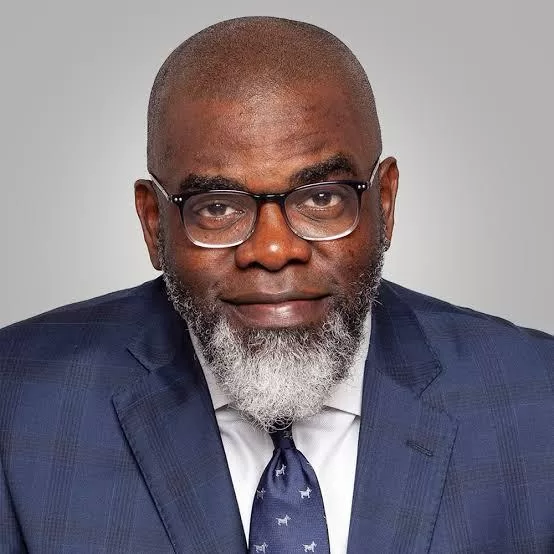
In the shadowed corridors of Guinea-Bissau’s latest political maelstrom, where tension simmers not from gunfire but from a calculated power grab, Dr. Goodluck Jonathan emerged as democracy’s unyielding guardian. From environmental science lecturer to Nigeria’s president, Jonathan’s legacy is etched in principled resolve.
Which African president appoints an election commissioner and empowers him to reform the electoral process, even when such reforms may cost him re-election? And when Nigerians spoke loudly through the ballot that they preferred his opponent, he surrendered power rather than tempt bloodshed.
“My personal ambition is not worth the blood of any Nigerian,” he declared then, a statement that cost him the presidency but elevated him as one of Africa’s icons of principled leadership. No price, it seems, is too high for the sanctity of the vote.
This ethos has propelled him, through the Goodluck Jonathan Foundation (GJF) and as Co-Chair of the Commonwealth summit, to stand guard over elections from Zambia’s polls to Madagascar’s mediations.
As an ECOWAS and AU observer in Guinea-Bissau’s fraught elections, Jonathan found himself in a tableau of orchestrated chaos, a staged farce to retain power. With the calm boldness of a leader who has weathered storms, he returned to Nigeria and issued a searing indictment.
READ ALSO: Reps launch probe into failed $460m FCT CCTV project amid rising insecurity
There was no real coup, only what he called a “ceremonial coup,” accusing President Embaló of choreographing the drama to cling to power rather than yield to the people’s choice.
His accusation, delivered with the fearlessness of a statesman who values truth over tact, marks another high watermark in a life dedicated to protecting democracy in a region increasingly stalked by militarisation. For him, the suppression of the people’s will is a betrayal that must not be shrouded in diplomatic ambiguity.
Vindication came swiftly. The military’s announcement of Embaló’s own finance minister and campaign manager, Illidio Vieira Té, as the new prime minister laid bare the ruse. This was a “ceremonial” sleight of hand to entrench Embalo under the veneer of martial law. Jonathan’s words, forged in the crucible of principle, insist that democracy demands such shadows be exposed, no matter the peril to one’s perch.
Jonathan’s clarion call is unmistakable: ECOWAS and the AU must release the collated election results. This is a democratic lodestar that can chart a path back to civilian rule whenever the military loosens its grip. In a neighbourhood where too many leaders whisper in the face of boots and coups, Jonathan’s boldness is, once again, a breath of fresh air. The region needs such sentinels to speak now before these jackboots pulverise any hope of the region’s renaissance.