
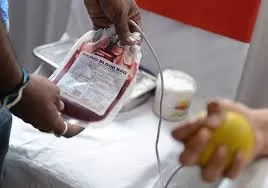
The Federal Government has set in motion a national plan to harmonise the cost of blood across hospitals in Nigeria, a move designed to promote fairness, transparency, and accessibility for patients in need of transfusion.
The initiative, led by the National Blood Service Agency (NBSA), comes amid growing public complaints about the high and inconsistent fees charged by health facilities nationwide.
Speaking in Abuja at a workshop organised for Hospital Transfusion Committee (HTC) members, the Director General of the Agency, Prof. Saleh Yuguda, said the harmonisation effort became necessary following what he described as “public outcry over the high and inconsistent charges placed on blood by hospitals across the country.”
According to him, many patients have lamented being subjected to an “undue financial burden,” with reports of individuals paying for blood that was never used — often without any refund.
“Blood is a public good. What we are doing is to ensure that the system works in a fair and transparent manner, so that Nigerians can have access to safe blood when they need it, without being exploited,” Yuguda said, in a statement shared with PUNCH Online on Wednesday.
He noted that while some stakeholders have called for full government subsidy on blood, a partial subsidy is already in place.
“The government currently bears the major cost involved in the collection, screening, and processing of blood,” he added.
Yuguda revealed that the next phase of the NBSA’s plan is to engage hospital administrators and state health authorities to align their pricing systems with national guidelines once the harmonisation framework is finalised.
In the meantime, he disclosed that discussions have begun with manufacturers and suppliers of blood consumables — particularly producers of blood bags — to address the challenge of escalating operating costs.
The talks, he said, are aimed at “centralising and stabilising the prices of these essential items to reflect Nigeria’s economic realities.”
According to the NBSA boss, achieving a more affordable and predictable pricing structure for consumables would allow hospitals to deliver transfusion services “more efficiently and ethically,” ultimately reducing the financial burden on patients.
Adding his voice to the discussion, Prof. Philip Olatunji, a Professor of Haematology and Transfusion Medicine, condemned what he described as the growing commercialisation of blood services in some hospitals.
“There must be a sense of good conscience in practice.
“You cannot claim to exist to save lives and then end up losing lives because of your revenue drive. The blood service should not be a profit-making venture; it should be a life-saving responsibility,” he stated.
Olatunji urged healthcare providers to strike a balance between sustainability and compassion, stressing that “moderation is a virtue the system must rediscover.”
The workshop — attended by transfusion officers, policymakers, and medical professionals — also underscored the importance of active Hospital Transfusion Committees to ensure compliance with national policies, promote patient safety, and improve blood utilisation.
Yuguda, in 2024, stated that Nigeria currently supplies less than 30% of its blood needs, highlighting a critical shortage in the country’s blood supply.