


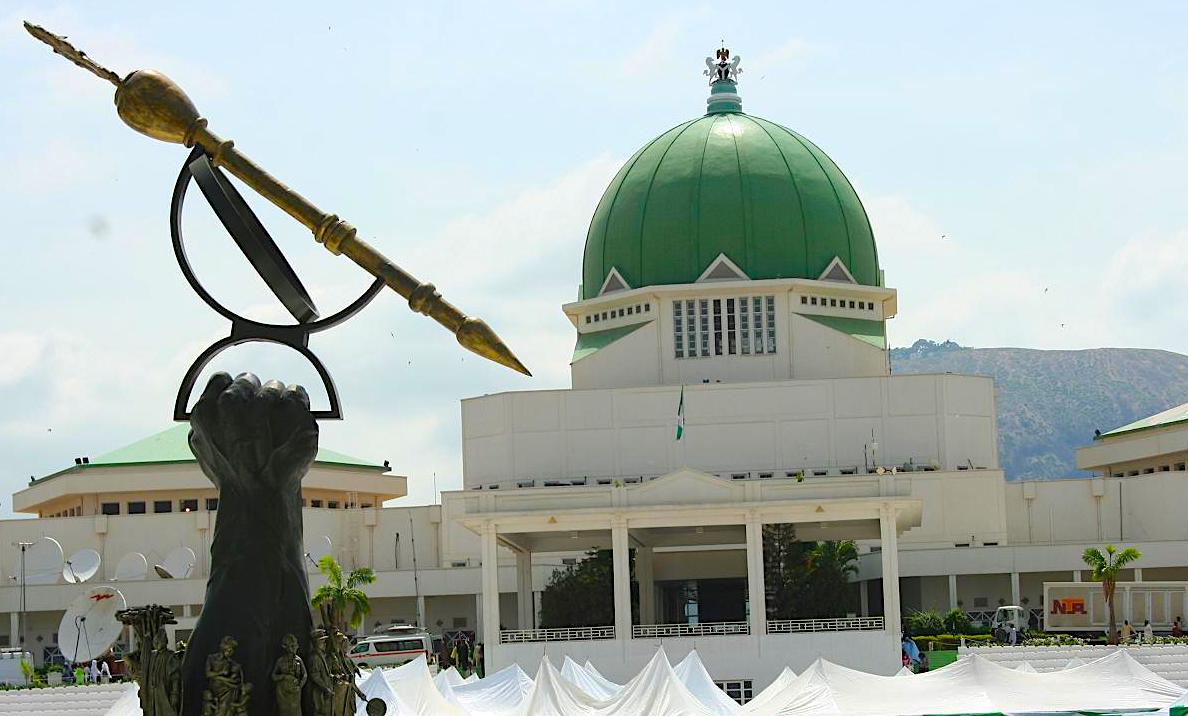
Nigeria’s next presidential and governorship elections may hold in November 2026, following a proposal by the National Assembly to shift the polls six months earlier than the traditional February/March schedule.
The proposal, contained in a draft amendment to the Electoral Act 2022, seeks to realign Nigeria’s electoral calendar for what lawmakers describe as “better governance transition planning” and to avoid disruptions caused by post-election litigations that often extend close to the May 29 inauguration date.
Chairman of the Senate Committee on Electoral Matters, Senator Sharafadeen Alli, confirmed the development on Monday in Abuja, stating that early elections would provide the Independent National Electoral Commission (INEC) more time to conclude disputes before new governments are sworn in.
“The proposed change is to ensure smoother transitions, reduce pressure on the judiciary, and enhance electoral credibility,” Alli explained. “We believe that by holding elections in November, there will be ample time for petitions to be resolved before the inauguration of elected leaders.”
If passed, the new timeline will see the 2026 presidential and National Assembly elections held in November, followed by governorship and state assembly polls later that month. This would mark the first time in Nigeria’s democratic history that general elections are conducted in the last quarter of the preceding year.
READ ALSO: No FCT Judge Will Live in Rented Apartment by 2027 — Wike
Officials of the Independent National Electoral Commission have welcomed the discussion, noting that it could ease operational and logistical burdens. However, the commission emphasized that any date change must be backed by a constitutional amendment to ensure legal consistency.
Political analysts say the proposal reflects lessons learned from recent election cycles, where court cases and reruns continued well after inauguration dates, creating uncertainty and tension across the polity.
Opposition parties have called for broader consultation before final adoption, warning that any abrupt changes could affect election preparedness and voter education.
The proposal is expected to undergo first and second readings in both chambers before being subjected to public hearings and state-level ratification a process that could extend into early 2026.
If approved, Nigeria’s next general elections would take place in November 2026, officially setting a new precedent in the country’s democratic timetable and potentially redefining the electoral landscape ahead of the next political transition.

