
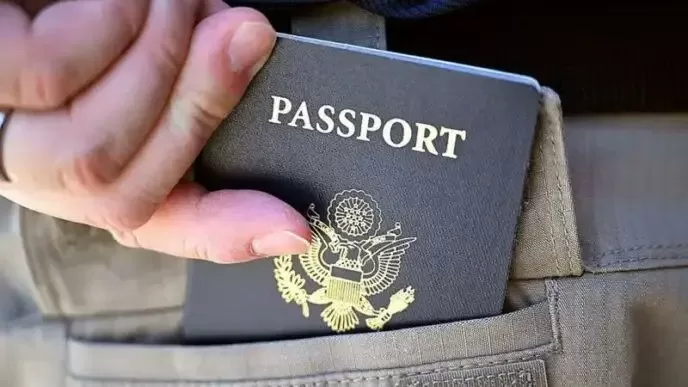
In a new diplomatic move that has drawn global attention, the Republic of Mali has announced that U.S. citizens seeking tourist or business visas will now be required to post a refundable deposit of up to $10,000 before being granted entry into the country.
The decision, announced on Monday by Mali’s Ministry of Foreign Affairs in Bamako, marks a major shift in the country’s visa policy and is being interpreted as a reciprocal measure in response to what Malian officials describe as “stringent and discriminatory” visa requirements imposed by the United States on Malian citizens.
According to the official statement, the deposit which will vary based on the visa category and duration of stay must be made prior to visa issuance. The ministry said the money will be refunded upon the visitor’s return to the United States, provided all visa conditions are respected.
READ ALSO: No FCT Judge Will Live in Rented Apartment by 2027 — Wike
“The Government of Mali has decided to implement this measure in the spirit of reciprocity and national sovereignty,” the statement read. “This policy aims to ensure fair treatment of Malian citizens seeking entry into the United States and to promote mutual respect between nations.”
Diplomatic sources say the new policy reflects rising frustration among some African countries over perceived inequities in U.S. immigration procedures and visa denials. Analysts note that the move could further strain relations between Washington and Bamako, already tense following Mali’s political realignments and deepening cooperation with non-Western allies.
The U.S. Embassy in Bamako has yet to issue an official response but has advised American citizens to verify updated visa requirements before planning any travel to Mali. Travel agencies in Bamako also confirmed receiving new directives to adjust visa application procedures accordingly.
Business stakeholders have expressed concern that the policy could discourage investment and tourism, particularly from American firms exploring opportunities in Mali’s mining, agriculture, and energy sectors.
While Mali insists that the measure is temporary and subject to review, international observers say it underscores a growing trend among some African states to assert greater reciprocity in diplomatic and immigration relations with Western powers.
If implemented fully, the new policy would make Mali one of the few African countries requiring such a high deposit from U.S. nationals a clear signal, experts say, of shifting power dynamics and recalibrated foreign policy priorities in the Sahel region.