
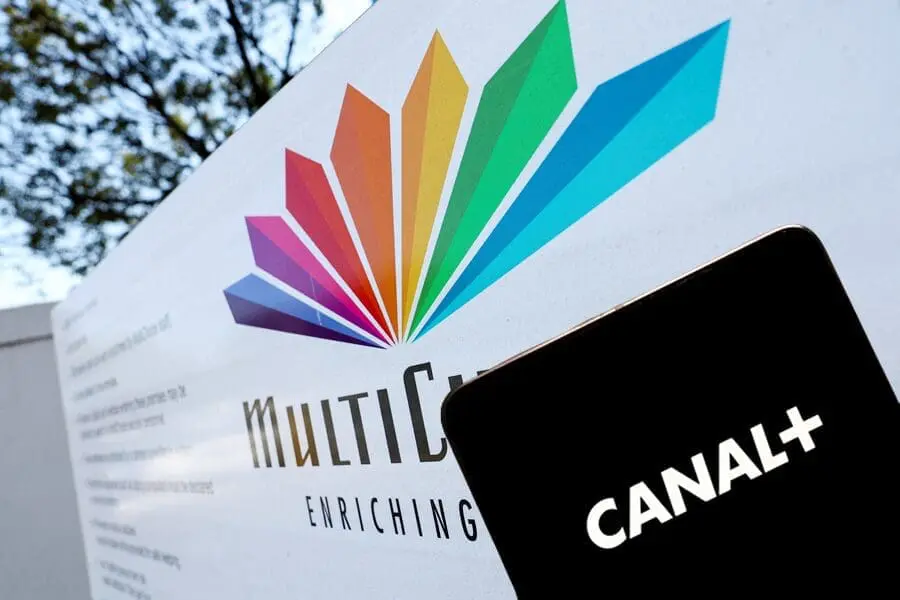
In a landmark decision set to reshape Africa’s broadcasting and streaming industry, South Africa’s Competition Tribunal has granted conditional approval for French media giant Canal+ to acquire MultiChoice, the parent company of DStv.
The ruling, announced this week, paves the way for one of the biggest mergers in the continent’s entertainment sector, but comes with strict conditions to protect local competition and safeguard consumer interests.
The tribunal said the takeover, first proposed in early 2025, could proceed provided Canal+ meets requirements around content diversity, employment preservation, and investment in South Africa’s creative industries. Regulators emphasized that the deal must not result in anti-competitive practices or harm local broadcasters who rely on fair access to audiences.
MultiChoice, which dominates Africa’s pay-TV market with services like DStv, Showmax, and GOtv, has faced mounting challenges in recent years as global streaming platforms such as Netflix, Amazon Prime Video, and Disney+ expanded aggressively into Africa. Analysts say Canal+’s entry could provide MultiChoice with financial muscle and international reach to withstand this growing competition.
READ ALSO: E1 electric powerboat championship kicks off in Lagos Oct 4
“This is a transformative moment for African media,” said Dr. Thandiwe Mbatha, a Johannesburg-based media analyst. “Canal+ brings not only capital but also expertise in content production and distribution. However, the conditions imposed will be critical in ensuring that local voices and creators continue to thrive.”
The deal also has geopolitical implications. Canal+, owned by French conglomerate Vivendi, already operates extensively in Francophone Africa. With MultiChoice under its wing, the company will control a significant share of the Anglophone market as well, giving it unprecedented influence over Africa’s media landscape.
According to the Competition Tribunal, Canal+ must commit to increased investment in South African productions and ensure that local programming remains central to DStv and Showmax offerings. The ruling also requires the company to maintain jobs within the country and expand training programs for young creatives entering the industry.
Consumer groups have cautiously welcomed the ruling. Some expressed optimism that the merger could lead to improved services, lower subscription costs, and better streaming options. Others warned that consolidation could reduce choice if not properly regulated.
For subscribers, the most immediate impact could be on Showmax, MultiChoice’s streaming platform, which has struggled to keep pace with international rivals. Analysts expect Canal+ to inject fresh content and technology into the platform, potentially making it more competitive.
“This merger could be the boost Showmax needs to compete globally,” said Kabelo Ndlovu, a digital entertainment researcher. “But regulators must ensure promises made today translate into tangible benefits for viewers tomorrow.”
MultiChoice executives hailed the tribunal’s approval as a milestone, saying the partnership would unlock new growth opportunities across Africa. Canal+ has not yet disclosed its full strategy post-acquisition but confirmed it intends to strengthen its African footprint through innovative content and advanced broadcasting technology.
With the green light now granted, the Canal+–MultiChoice deal marks a turning point in Africa’s entertainment sector. As implementation begins, the continent’s media landscape is poised for rapid transformation—one that will test the balance between international investment and local creative identity.