
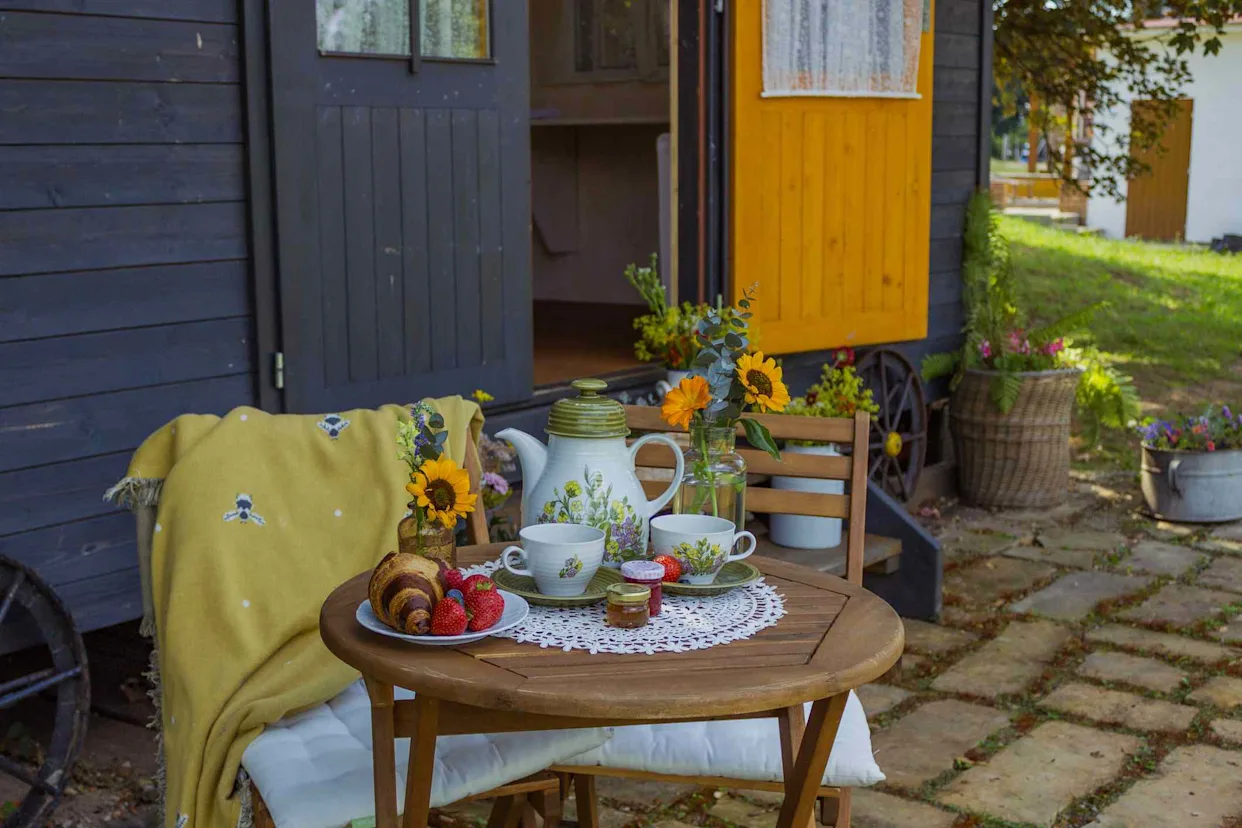
What began as a seasonal aesthetic is now a global lifestyle movement. “Farm Girl Summer,” a Gen Z-driven return to pastoral living and slow, intentional routines, is gaining traction from the U.S. to Europe and Asia in 2025.
The trend centers on home gardening, baking from scratch, raising backyard animals, and decorating with thrifted or vintage items. Social media influencers have fueled its growth by sharing videos of bread-making, floral arranging, and rustic farm chores, offering followers a glimpse into rural life.
According to Pinterest, searches for “farm-to-table” and “rustic décor” surged last summer, while hashtags like #FarmGirlSummer have amassed millions of views on TikTok. Experts say the movement is fueled by burnout, climate concerns, and a growing interest in sustainability.
Critics argue that much of the imagery romanticizes country living without showing its hardships. Farming requires labor, land, and resources many urban audiences lack. Yet, the aspirational quality of the movement resonates, especially with young people seeking escape from fast-paced city life.
READ ALSO: Elon Musk’s X CEO Linda Yaccarino resigns
The trend is also influencing markets. Fashion brands have introduced prairie-inspired dresses and boots, while homeware companies are launching farmhouse collections featuring gingham, raw wood, and ceramic designs. Food companies are marketing products under “farm-fresh” labels to capitalize on the craze.
Workshops and retreats centered on homesteading, composting, and DIY crafts are also growing. For many, the attraction lies not only in aesthetics but in reclaiming a sense of control, grounding, and mindfulness.
Analysts believe “Farm Girl Summer” could evolve into a year-round lifestyle, emphasizing rural tourism, hobby farming, and urban gardening. Whether fleeting or long-term, it signals a cultural yearning for authenticity in an increasingly digital world.