
Nigeria is a land steeped in history, culture, and resilience, and some of the most powerful reminders of this legacy are found in the historic landmarks scattered across the country.
Tomorrow, Nigeria turns 65. Sixty-five years since the green and white flag was raised high in the sky on October 1, 1960, marking the dawn of freedom, self-determination, and hope.
Every Independence Day is a time to celebrate, but it is also a moment of remembrance, to look back at the paths we’ve walked, the struggles endured, the triumphs celebrated, and the symbols that hold the Nigerian story within their walls and stones.
Across the country are landmarks that embody the identity of a people who continue to stand tall. These are not just tourist sites — they are pieces of Nigeria’s soul. These sites tell the story of ancient civilizations, colonial encounters, struggles for survival, and cultural achievements that continue to shape the nation’s identity. From natural wonders to man-made monuments, here are ten landmarks that embody the essence of Nigeria’s journey.
1. The National Theatre, Lagos
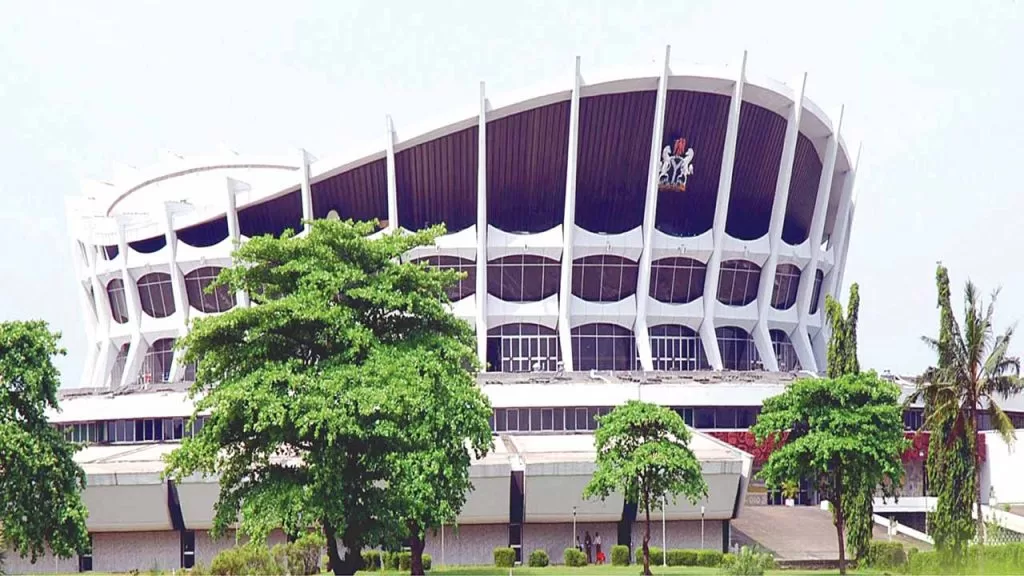
An architectural masterpiece shaped like a military hat, the National Theatre was built in 1976 to host the Festival of Arts and Culture (FESTAC ’77). Beyond its striking design to resemble a military cap, it represents Nigeria’s commitment to showcasing her cultural heritage and artistic brilliance to the world. Plays, concerts, and dance performances that echo Nigeria’s diversity continue to grace its stage, making it a living archive of the nation’s creativity.
2. Tafawa Balewa Square, Lagos
It was here, on October 1, 1960, that Nigeria’s first Prime Minister, Sir Abubakar Tafawa Balewa, declared the nation free from colonial rule. Tafawa Balewa Square, or TBS, is a central landmark in Lagos that carries historical and national significance. Originally used as a parade ground, it later became a symbolic space for major national ceremonies, including the handover of power from British colonial rule in 1960. This square, adorned with giant horses and eagle statues, remains a sacred space where freedom was birthed. It reminds every Nigerian of the sacrifices and the pride that came with the first breath of independence.
3. The First Oil Well, Oloibiri, Bayelsa
In 1956, Oloibiri in Bayelsa State became the birthplace of Nigeria’s oil journey. The first commercial oil discovery was made here, forever altering the economic and political trajectory of the nation. While the site is now abandoned, it stands as a reminder of Nigeria’s resource wealth and the complex legacies of oil exploration. Plans for a museum at the site aim to preserve its significance for future generations. It is both a reminder of immense natural wealth and a lesson in how resources can shape a nation’s destiny.
4. Kano City Walls, Kano
Dating back to the 11th century, the Kano City Walls are among the most enduring legacies of pre-colonial Nigeria. onstructed with earth, clay, and stones, the walls once stretched for nearly 14 kilometers, protecting the ancient city from external invasions. Built as a defense system, these massive structures tell stories of ancient kingdoms, thriving trade routes, and the ingenuity of early Nigerian societies. Today, though parts of it are eroded, it remains a UNESCO World Heritage candidate and a proud symbol of Nigeria’s historical resilience. Standing before these walls is like standing at the threshold of history itself.
5. The National War Museum, Umuahia
Nestled in Umuahia, Abia State, the National War Museum preserves relics of one of the darkest yet most defining chapters of Nigeria’s history — the Civil War (1967–1970). From military aircrafts to armored tanks and photographs, the museum offers a sobering reminder of the costs of disunity and the enduring value of peace. The museum serves as both a historical archive and an educational center where visitors reflect on the importance of peace.
6. Zuma Rock, Niger State
Towering majestically along the Abuja-Kaduna highway, Zuma Rock is often called the “Gateway to Abuja.” Its presence is so iconic that it adorns the ₦100 note. It is an imposing natural monolith that rises 725 meters above the ground. Locals believe it holds spiritual significance, with its human-like facial features carved by nature itself. For many, Zuma Rock represents endurance and unyielding strength — a fitting symbol for a nation that refuses to break.
7. The Slave Route and Point of No Return, Badagry
In Badagry, Lagos State, lies one of the most heart-wrenching landmarks in Nigeria — the Slave Route and the Point of No Return. It was from these shores that countless enslaved Africans were marched to the Atlantic coast, forced onto ships, never to return to their homeland. This landmark is a solemn memorial, a reminder of the resilience of a people whose stories are etched into the foundations of the modern world. Today, it serves as a memorial to those lives and a reminder of Nigeria’s place in the global history of resilience against oppression.
READ ALSO: Nigeria: Cities with the Largest Population in 2025
8. The National Mosque, Abuja
Standing tall in the heart of Abuja, the nation’s capital, the National Mosque is both an architectural wonder and a spiritual beacon. With its golden dome and four towering minarets, it is a symbol of faith, unity, and cultural identity in a country defined by diversity. The mosque embodies Nigeria’s spirit of coexistence and reverence.
9. Olumo Rock, Abeokuta
Olumo Rock is both a natural wonder and a historical fortress. Rising majestically in Abeokuta, Ogun State, it served as a refuge for the Egba people during inter-tribal wars in the 19th century. The caves, tunnels, and carvings within the rock carry stories of survival and community. Climbing its ancient steps, one can still feel the whispers of history, courage, and survival. Today, it attracts visitors from across the world, blending natural beauty with heritage. Visitors climb its steps to enjoy panoramic views of the city, connecting with the rock’s legacy of strength and protection.
10. The Nigerian National Museum, Lagos
Founded in 1957, just before independence, the Nigerian National Museum houses treasures that narrate the country’s cultural richness — from the famous Nok Terracotta to the Benin Bronzes. Walking through its halls feels like flipping through the chapters of Nigeria’s past, preserved for future generations. . Its galleries capture centuries of Nigerian art, culture, and heritage, making it an essential stop for anyone seeking to understand the depth of the nation’s history.
Conclusion
These historic places are more than just monuments or tourist attractions; they are storytellers of Nigeria’s journey through time and events. It is about people, struggles, triumphs, and hopes. From the walls of Kano to the stones of Olumo Rock, from the echoes of FESTAC in the National Theatre to the solemn silence of Badagry’s Point of No Return, Nigeria’s story is one of resilience. At 65, the nation still stands — diverse, complex, yet united by a common dream. These landmarks are not relics; they are living symbols urging us to honor the past and shape a brighter tomorrow.