
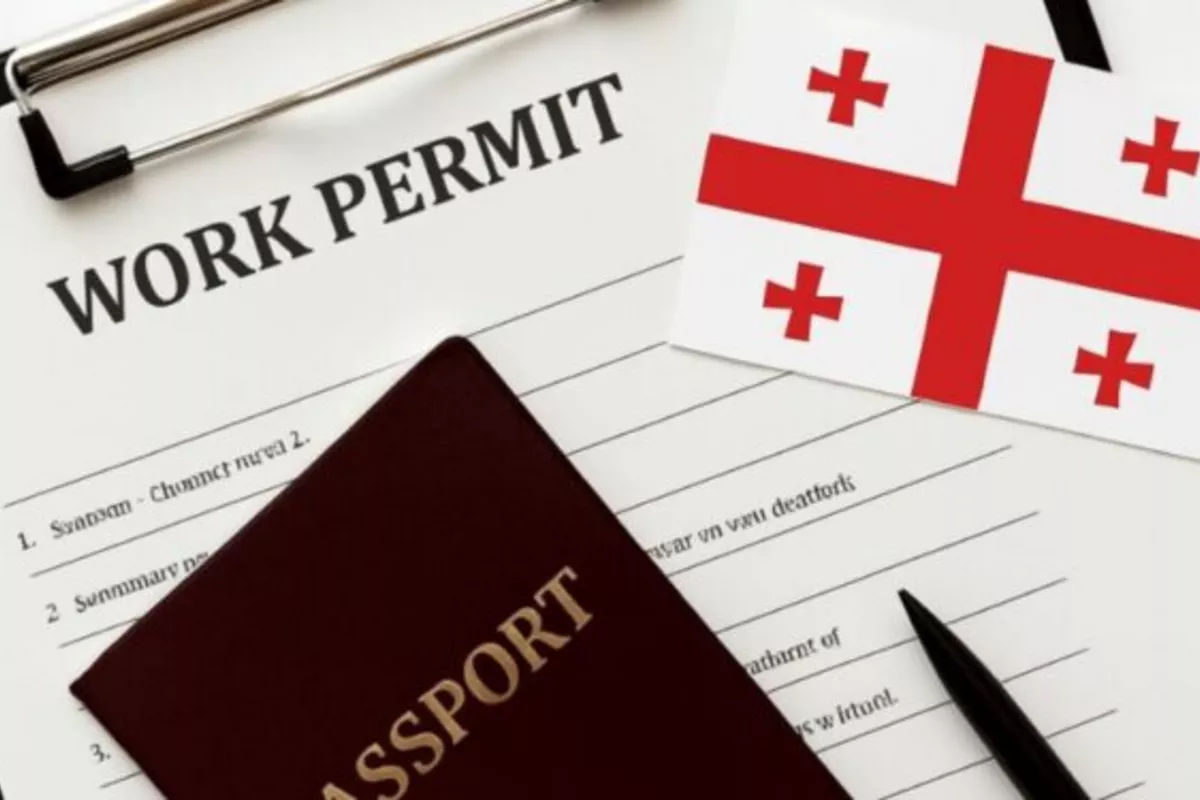
Georgia is set to launch its first official work permit system for most foreign nationals working or self-employed in the country, beginning on March 1, 2026.
The new policy ends Georgia’s long-standing open approach, where foreigners could work legally with only a visa, residence permit, or visa-free entry.
Permanent residents will be exempt, but the majority of foreign workers will be required to comply or risk fines.
Officials say the reform aims to curb illegal employment, bring jobs into the formal economy, and match foreign hiring with the country’s needs.
Under the new system, the requirement will cover foreign employees of Georgian companies, self-employed foreigners and individual entrepreneurs, remote employees working for Georgian startups, and foreigners engaged in business activity in Georgia.
Under the new framework, foreign workers and self-employed individuals must secure a work permit prior to engaging in any employment activity. Employers will bear the responsibility for submitting work permit applications on behalf of their foreign employees. Processing times are expected to take up to 30 calendar days.
READ ALSO: Tinubu has stabilised Nigeria’s economy, deserves credit – Okonjo-Iweala
Exemptions include refugees and asylum seekers, employees of diplomatic missions, accredited foreign journalists, and holders of investment residence permits. The government has signaled it will clarify whether digital nomads and remote workers for non-Georgian employers fall under the exemption list before the start date.
This procedural shift will require companies operating in Georgia to revise their recruitment and onboarding workflows, potentially increasing both administrative workloads and costs. Employers will need to integrate the permit application process into recruitment timelines and prepare for the possibility of application rejections.
To facilitate a smooth implementation of the new system, the government has introduced a transition period. Foreign nationals already working in Georgia prior to March 1, 2026, will have until January 1, 2027, to obtain their work permits.
The government has stated that the reform is intended to monitor and regulate foreign participation in the labour market more effectively. Officials have pointed to cases of foreign nationals working without proper authorisation, often after entering on tourist status, as a key reason for tightening controls.
The government also said it will clarify whether digital nomads and remote workers for non-Georgian employers fall under the exemption list before the start date.
The work permit becomes the legal basis for a D1 work visa or a labor residence permit. Authorities also plan a new three-year residence permit for IT workers. Foreigners who live in Georgia for another reason—such as investment or family—may not need a labor residence permit, but they will still need proper work authorization if they plan to work or run a business.