
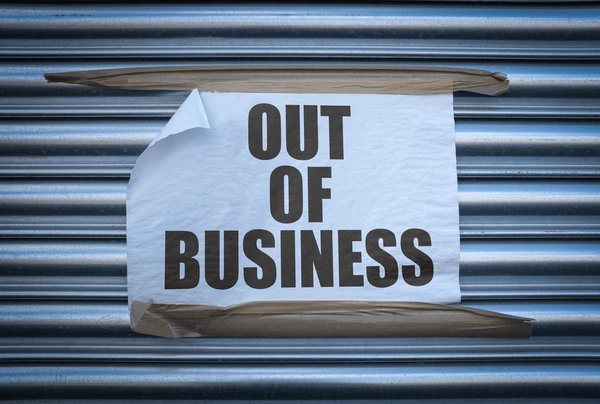
In today’s uncertain economic climate, even established companies can struggle to stay afloat. Whether due to poor financial management, market disruptions, or internal dysfunction, the signs of trouble are often visible, if you know what to look for.
If you’ve started feeling uneasy at work—projects cancelled, colleagues quitting, and whispers of financial trouble, you may be witnessing the early signs of a company in crisis. While not all turbulence leads to closure, certain patterns tend to emerge when a business is nearing its end. Below are seven major warning signs that your workplace is on the path to closure. Identifying these signs early can help you prepare for what lies ahead, whether that means seeking new opportunities, saving aggressively, or having honest conversations with leadership.
1. Persistent Cash Flow Problems
One of the earliest and most serious red flags is when the company struggles to manage its day-to-day finances. If salaries are delayed, reimbursements take weeks (or months), or payments to vendors are constantly overdue, the issue likely stems from inadequate revenue or poor financial planning. These disruptions often come with vague explanations from management and may be accompanied by noticeable cutbacks on office supplies, utilities, or even basic maintenance. A business that can’t sustain regular operations with its cash flow is on shaky ground.
2. Mounting and Unmanageable Debt
While debt can be a useful tool for growth, excessive and unsustainable borrowing is a danger sign. If your company is constantly taking on new loans, restructuring old ones, or rushing to secure funding, it’s likely dealing with more debt than it can handle. You might hear terms like “bridge loan,” “temporary liquidity issue,” or “financial restructuring” in company memos. These are often euphemisms for a deeper cash crisis. As interest obligations pile up, the company’s ability to reinvest in growth or pay employees may weaken further.
3. Declining Revenue or Loss of Key Clients
A significant and sustained drop in revenue can be the beginning of the end. This may occur because of market competition, a failed product, or the exit of a major client. If you start noticing fewer new projects, reduced demand, or budget reductions in departments, it’s worth paying attention. Leadership might try to downplay it with optimistic messaging, but if no real strategy follows to replace lost income, the downward spiral could accelerate.
READ ALSO: Top 10 Tech Companies to Work for in Nigeria in 2025
4. High Staff Turnover and Low Morale
Nothing signals internal trouble like a sudden wave of resignations. When experienced or senior employees begin to leave—especially those “in the know”—it often means they’ve seen the writing on the wall. In addition, low morale usually spreads quickly: disengaged teams, whispered hallway conversations, and increasing tension between departments are all signs that confidence in leadership is fading. A company struggling to retain talent may also stop replacing those who leave, placing more burden on remaining employees.
5. Freeze on Hiring, Promotions, and Perks
If hiring suddenly stops, promotions are “on hold,” and perks like staff lunches, training programs, or office supplies disappear, the company is likely in cost-cutting mode. While some belt-tightening is normal in lean times, a full freeze is often a desperate attempt to conserve cash. You might also notice performance bonuses vanish or paid leaves being quietly discouraged. If even basic business expenses are heavily scrutinized, it may signal that leadership is preparing for downsizing—or worse.
6. Constant Crisis Management and Leadership Instability
When leadership is stuck in firefighting mode, unable to focus on long-term goals, the business suffers. This is often accompanied by rapid changes in direction, cancelled meetings, and vague or conflicting announcements. One week you’re pushing a big launch, and the next week it’s shelved without explanation. Crisis management becomes the new normal. This chaos often results from poor planning, financial pressure, or internal conflict—all of which can bring a company to its knees if unresolved.
7. Breakdown in External Relationships
When external stakeholders like suppliers, landlords, and creditors start pulling away, it’s a bad sign. Vendors may switch to cash-on-delivery terms, refuse new orders, or threaten legal action for unpaid bills. Landlords may send notices or demand early payments. If your company begins losing access to key tools, software, or infrastructure due to unpaid subscriptions or contracts, operations may grind to a halt. A company that no longer enjoys trust or credit in its ecosystem is dangerously close to collapse.
What You Can Do
If your company is showing several of these warning signs, don’t panic—but do prepare. Here are practical steps:
- Update your CV and LinkedIn profile
- Start networking quietly
- Review your employment contract and benefits
- Build up your emergency savings
- Ask respectful but direct questions during team meetings
Final Thoughts
Recognizing these warning signs doesn’t mean your company will definitely shut down—but multiple signs happening at once should not be ignored. Pay attention, trust your instincts, and start preparing a backup plan. It’s better to act early and stay ahead of the curve than be caught off guard when the lights go out. If you’re experiencing any of these issues in your workplace, it might be time to dust off your resume, explore your network, and secure your next opportunity—before you’re forced to.
Remember, businesses sometimes rebound—but if the ship is sinking, you owe it to yourself to be ready.