
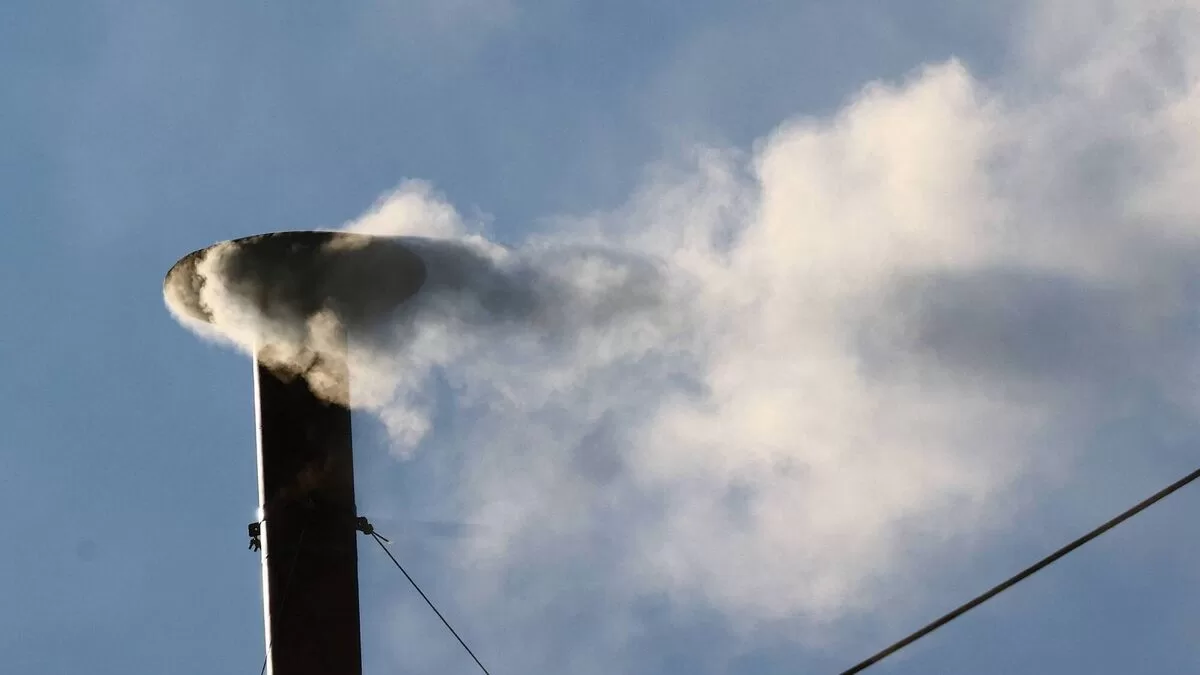
The historic announcement came just after 6 p.m. local time (1600 GMT), prompting cheers, applause, and prayer from thousands of pilgrims and onlookers gathered in the square. The traditional bell tolls soon followed, confirming that the 267th pontiff has been chosen.
“All eyes now turn to the balcony,” said Vatican spokesperson Monsignor Guido Fabri, “where, very shortly, the Church will hear the sacred words: Habemus Papam — ‘We have a pope.’”
The identity of the new pontiff remains under wraps until his official introduction, but Vatican insiders describe him as a figure of “deep pastoral experience” and “global sensibility.” He succeeds Pope Francis, who passed away on April 21, 2025, after 12 years of papal leadership marked by progressive reform, humility, and a global advocacy for the poor and marginalized.
Speaking from the square, Sister Maria Abeni from Nigeria, one of many religious pilgrims in attendance, said, “This is a sacred moment. We don’t know who he is yet, but we’re already praying for him, he carries the hopes of millions.”
A Historic Conclave
The 2025 conclave was the largest in the Church’s history, with 133 cardinal-electors from five continents participating. Bound by an oath of secrecy under penalty of excommunication, the cardinals began their deliberations Wednesday afternoon inside the Sistine Chapel beneath Michelangelo’s iconic frescoes.
Twice, on Wednesday evening and again Thursday at midday, black smoke rose from the chimney, signifying inconclusive votes. But late Thursday afternoon, the white smoke emerged, confirming that a new pope had secured the required two-thirds majority.
“I was here for Pope Benedict and Pope Francis,” said Gianluca Rossi, a lifelong Roman Catholic from Milan. “But this time felt different, heavier, more uncertain. We need unity, and I hope he can bring that.”
READ ALSO : Cardinals finally enter Sistine Chapel as Conclave to elect new Pope begins
The Room of Tears and First Blessing
As per tradition, the newly elected pope entered the Room of Tears — a private chamber adjacent to the chapel, to don the white papal vestments for the first time. This intimate space is named for the overwhelming emotion many popes have experienced after accepting the role.
He then returned to the Sistine Chapel, where the other cardinals pledged their obedience. Next, he will emerge on the central balcony of St. Peter’s Basilica, accompanied by the senior cardinal deacon, who will declare:
“Annuntio vobis gaudium magnum: Habemus Papam!”
(“I announce to you a great joy: We have a Pope!”)
The new pope will then deliver a brief address and give his first apostolic blessing — the Urbi et Orbi (“To the City and to the World”).
A Papacy in a Time of Global Crisis
Whoever the new pope is, he inherits a Church at a crossroads. In addition to grappling with long-standing sexual abuse scandals and financial instability, he must assert a moral voice in an increasingly fractured world — marked by war, rising nationalism, climate upheaval, and declining trust in institutions.
“This is a turning point,” said Father Luca Brunetti, a Vatican historian. “The Church isn’t just looking for a figurehead. It needs a shepherd with clarity, courage, and compassion.”
The world now watches and waits as the veil is lifted and a new chapter in Catholic history begins.