
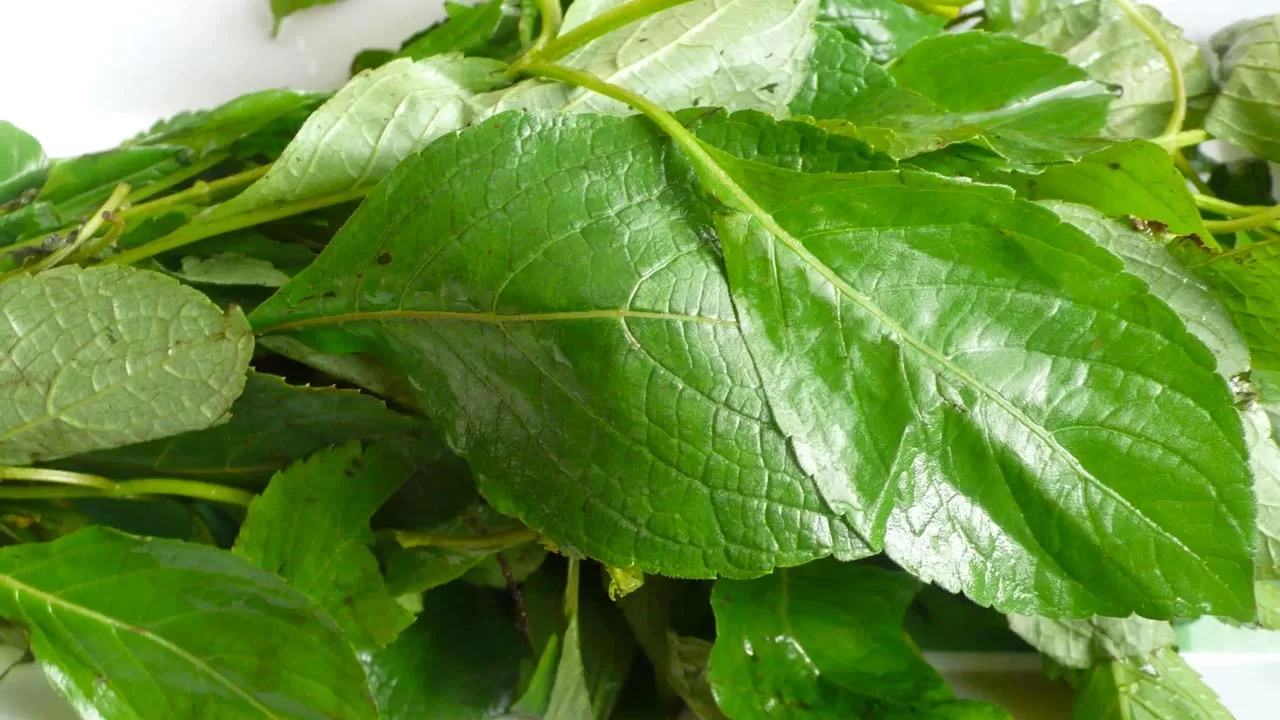
Mosquitoes are more than just annoying, they can carry diseases and make outdoor/indoor time uncomfortable.
In Nigeria, mosquito-borne diseases such as malaria and dengue continue to threaten public health year-round, especially during the rainy season.
According to the World Health Organization (WHO), malaria alone caused over 600,000 deaths globally in 2022, with Nigeria accounting for nearly 30% of all global malaria cases.
The root of the problem? Stagnant water, which creates a perfect breeding ground for female mosquitoes, particularly the Anopheles and Aedes aegypti species. These mosquitoes can transmit malaria, dengue, yellow fever, and chikungunya, putting millions of Nigerians at risk.
While insecticide-treated nets (ITNs), insect repellents, and fumigation are effective, there’s also a more natural, eco-friendly solution you can incorporate into your home or garden: mosquito-repellent plants.
READ ALSO: Tips to Boost Immunity and Avoid Getting Sick During the Rainy Season
Let’s explore six powerful plants that not only beautify your environment but also help repel mosquitoes naturally — a step toward a greener, healthier Nigeria.
1. Lemongrass
Locally known as “Fever grass” in Nigeria, lemon grass is widely used for its medicinal properties — and it also happens to be a powerful mosquito repellent. This plant contains citronellal, a natural oil that masks the carbon dioxide and body odor that attract mosquitoes.
A study published in the Journal of Advanced Research found that citronella oil from lemongrass offered over 77% protection against mosquito bites for up to 3 hours.
You can plant lemongrass around your house or in pots by windows and doorways. Crush a few leaves and rub on your skin (after a patch test) for added protection.
2. Marigold
This bright and cheerful flower is more than just decorative. Marigolds contain pyrethrum, a natural compound found in many commercial insect repellents.
Pyrethrum attacks mosquitoes’ nervous systems, making marigolds especially effective in repelling Anopheles mosquitoes that spread malaria.
To repel mosquitoes, you can plant marigolds around the perimeter of your home, near drainage areas, or in pots on balconies and patios. You can also use marigolds alongside vegetable plants — they also keep away aphids and whiteflies.
3. Lavender
While lavender is not native to Nigeria, it thrives in well-drained, sunny areas and can be grown in pots or flower beds. Lavender contains linalool, a compound proven to deter mosquitoes, flies, and moths.
Study Published in Malaria Journal found that linalool from lavender plants is almost as effective as DEET in deterring mosquito landings.
To repel mosquitoes, you can place pots of lavender near windows, entrances, or in outdoor seating areas. Dried lavender sachets can also be placed in wardrobes to repel insects.
4. Scent Leaf
Known locally as “Efirin” in Yoruba and “Nchuanwu” in Igbo, scent leaf is one of Nigeria’s most powerful indigenous plants for repelling mosquitoes.
This aromatic plant contains eugenol and thymol, which have proven mosquito-repellent and antifungal properties.
A study conducted in Nigeria found that essential oil from scent leaf provided up to 80% protection against Anopheles mosquitoes for several hours.
You can plant near doors, windows, and any areas where stagnant water may collect to repel mosquitoes. You can also Crush the leaves and apply to the skin as a quick homemade repellent.
5. Mint
The refreshing aroma of mint may be soothing to humans, but it’s highly irritating to mosquitoes. Mint plants contain menthol, which repels mosquitoes and other biting insects.
Mint is perfect for containers and windowsills, especially near kitchens or outdoor eating areas. Boil mint leaves and pour the solution into a spray bottle. Use it as a natural mosquito spray for your home. Mint also helps relieve mosquito bites by reducing inflammation and itching.
6. Rosemary
A well-loved culinary herb, rosemary doubles as a mosquito-repelling plant thanks to its camphor and rosmarinic acid content.
To use rosemary, you can plant it in sunny outdoor areas or use pots near BBQ areas or outdoor gatherings. You can also throw some rosemary sprigs on hot charcoal or firewood — the smoke releases essential oils that drive mosquitoes away.
Many Nigerians use dry herbs and palm fronds to smoke out insects. Add rosemary to enhance effectiveness and scent.
Conclusion
Nigeria’s climate and environment make mosquito breeding almost inevitable, but you can fight back naturally. These plants are not just beautiful additions to your garden or home — they offer a chemical-free, eco-friendly way to reduce mosquito populations and protect your family.
Combine these mosquito-repellent plants with basic preventive measures, like:
- Removing stagnant water
- Covering water storage containers
- Sleeping under treated mosquito nets
- Wearing protective clothing in high-risk areas