

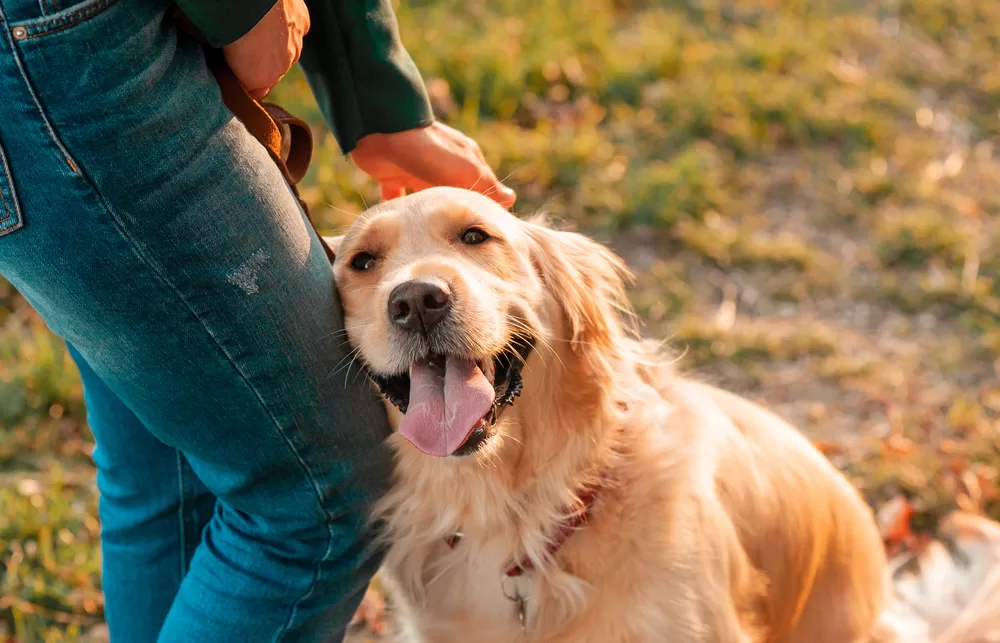
Bringing a dog into your life is one of the most rewarding experiences you can have. They offer companionship, loyalty, and unconditional love — but they also require structure, patience, and a lot of care. If you’re a first-time dog owner, it’s natural to feel a mix of excitement and uncertainty.
To help ease the transition and set you and your pup up for success, here are 10 essential and detailed tips to guide your journey.
1. Choose the Right Dog for Your Lifestyle
Not all dogs are created equal — especially when it comes to energy levels, space needs, and temperament. Choosing a dog that fits your lifestyle is crucial.
- Active lifestyle? Consider a high-energy breed like a Labrador Retriever, Australian Shepherd, or Vizsla. These dogs need daily exercise and mental challenges.
- Apartment living? Opt for lower-energy or smaller breeds like French Bulldogs, Cavalier King Charles Spaniels, or older rescue dogs.
- Busy schedule? Older dogs or more independent breeds (like Shiba Inus or Basset Hounds) may be more manageable than a demanding puppy.
2. Puppy-Proof Your Home
Just like babies, dogs explore the world with their mouths — and that can lead to some dangerous situations.
Dogs, especially puppies, are curious creatures — and sometimes dangerously so. Chewed cords, toxic plants, or open trash cans can quickly lead to a trip to the vet.
Hide electrical wires, store cleaning supplies up high, and remove anything a dog could swallow. Think of it like baby-proofing — only furrier and faster!
Checklist for puppy-proofing:
- Hide electrical cords with cord protectors.
- Store cleaning supplies, medications, and foods like chocolate, grapes, or xylitol-containing gum out of reach.
- Use baby gates to block off unsafe areas (e.g., stairs or kitchens).
- Secure trash bins and laundry hampers.
- Remove houseplants that are toxic to dogs (e.g., lilies, aloe, philodendrons).
Get down to your dog’s eye level and scan the floor and low surfaces. You’ll be surprised what they might see as “toys.”
3. Invest in the Right Supplies Beforehand
Being well-prepared can make the first few days less stressful. Here’s what you’ll need:
- Food and water bowls: Stainless steel is best—easy to clean and bacteria-resistant.
- Collar and ID tag: Include your phone number and address.
- Leash and harness: A no-pull harness is great for training walks.
- Crate: Helps with house training and gives your dog a secure “den.”
- Bedding: Something washable and comfortable.
- Toys: Get a variety — chew toys, puzzle toys, and soft plush toys.
- Grooming supplies: Nail clippers, a brush suited to their coat, and dog shampoo.
Always Keep everything in one corner or basket, so your dog learns where to find their items.
4. Start Training from Day One
Dogs are always learning — even if you’re not actively teaching. That’s why training should start immediately.
Focus on these basics:
- Housebreaking: Take your dog outside frequently, especially after eating or waking up.
- Crate training: Use the crate as a safe, positive space — never as punishment.
- Obedience commands: Start with “sit,” “stay,” “come,” and “leave it.”
- Reward-based training: Use treats, praise, and toys to reinforce good behavior.
Pro Tip: Keep sessions short (5–10 minutes) and consistent. Dogs, especially puppies, have short attention spans.
5. Socialize Your Dog Early and Often
A well-socialized dog is calm, confident, and less likely to develop fear-based aggression or anxiety.
How to socialize effectively:
- Expose your dog to new environments (parks, sidewalks, pet stores).
- Let them meet other vaccinated, well-behaved dogs.
- Introduce different people — kids, men, women, people wearing hats, etc.
- Normalize everyday sounds: vacuum, doorbell, traffic.
Always pair new experiences with treats and encouragement to build positive associations.
6. Establish a Relationship with a Veterinarian
Your vet is your partner in your dog’s health. Don’t wait until your dog is sick to make that first visit.
Your first visit should include:
- A general wellness exam
- Vaccine schedule (rabies, distemper, parvo, etc.)
- Heartworm and flea/tick prevention plan
- Spaying/neutering discussion
- Microchipping
Ask your vet about breed-specific health risks. Some dogs are more prone to certain conditions like hip dysplasia or allergies.
7. Learn to Read Canine Body Language
Dogs communicate primarily through posture, facial expressions, and sounds. Misreading these signs can lead to stress or even aggression.
Common body language cues:
- Relaxed: Soft eyes, loose body, wagging tail.
- Fearful: Tucked tail, flattened ears, cowering posture.
- Aggressive: Stiff posture, direct stare, raised hackles, growling.
- Happy and playful: Bouncy movement, “play bow” (front legs stretched, butt up). Don’t punish growling, it’s a warning sign. Instead, understand what’s causing discomfort and remove the trigger.
8. Prioritize Physical and Mental Exercise
Dogs need daily stimulation. Boredom leads to chewing, barking, and even depression.
Daily activities should include:
- Walks: Twice a day at minimum. Sniffing is mentally enriching.
- Playtime: Fetch, tug-of-war, or flirt poles.
- Training sessions: Mix fun tricks with obedience to keep it interesting.
- Puzzle feeders/toys: Stimulate their brains while they eat.
Remember, a tired dog is a well-behaved dog. Thirty minutes of focused play or training goes a long way.
9. Be Patient and Consistent
Your dog won’t learn everything in a day. There will be accidents, mistakes, and frustrating moments. That’s all part of the process.
Keys to success:
- Stick to a routine — dogs thrive on structure.
- Don’t yell or hit — this creates fear, not respect.
- Celebrate small wins. Did your dog sit when asked? That’s a win!
- Repetition builds habits. Practice every day, even if it’s just for a few minutes.
You can Keep a journal of your dog’s behavior and progress. It helps track growth and identify patterns.
10. Love and Bond with Your Dog Every Day
Your dog doesn’t care if you’re rich or famous — they just want your time, love, and attention.
Ways to bond:
- Cuddle and relax together after playtime.
- Learn your dog’s likes and dislikes (some love belly rubs, others don’t).
- Talk to your dog — your tone matters more than your words.
- Make time for fun — dogs are amazing at helping us live in the moment.
You’re not just training your dog, you’re building a relationship. That trust, once earned, becomes the foundation of everything.
Conclusion
Being a dog owner isn’t always easy but it’s always worth it. You’re not just adding a pet to your home; you’re gaining a loyal companion who will greet you like a rock star every single day.
With preparation, consistency, and love, you’ll raise a dog who is confident, happy, and deeply bonded to you. And in return, they’ll give you a lifetime of loyalty, laughter, and wet-nosed joy.